Why Writing Skills are Vital for Every University Degree
Why Writing Skills are Vital for Every University Degree
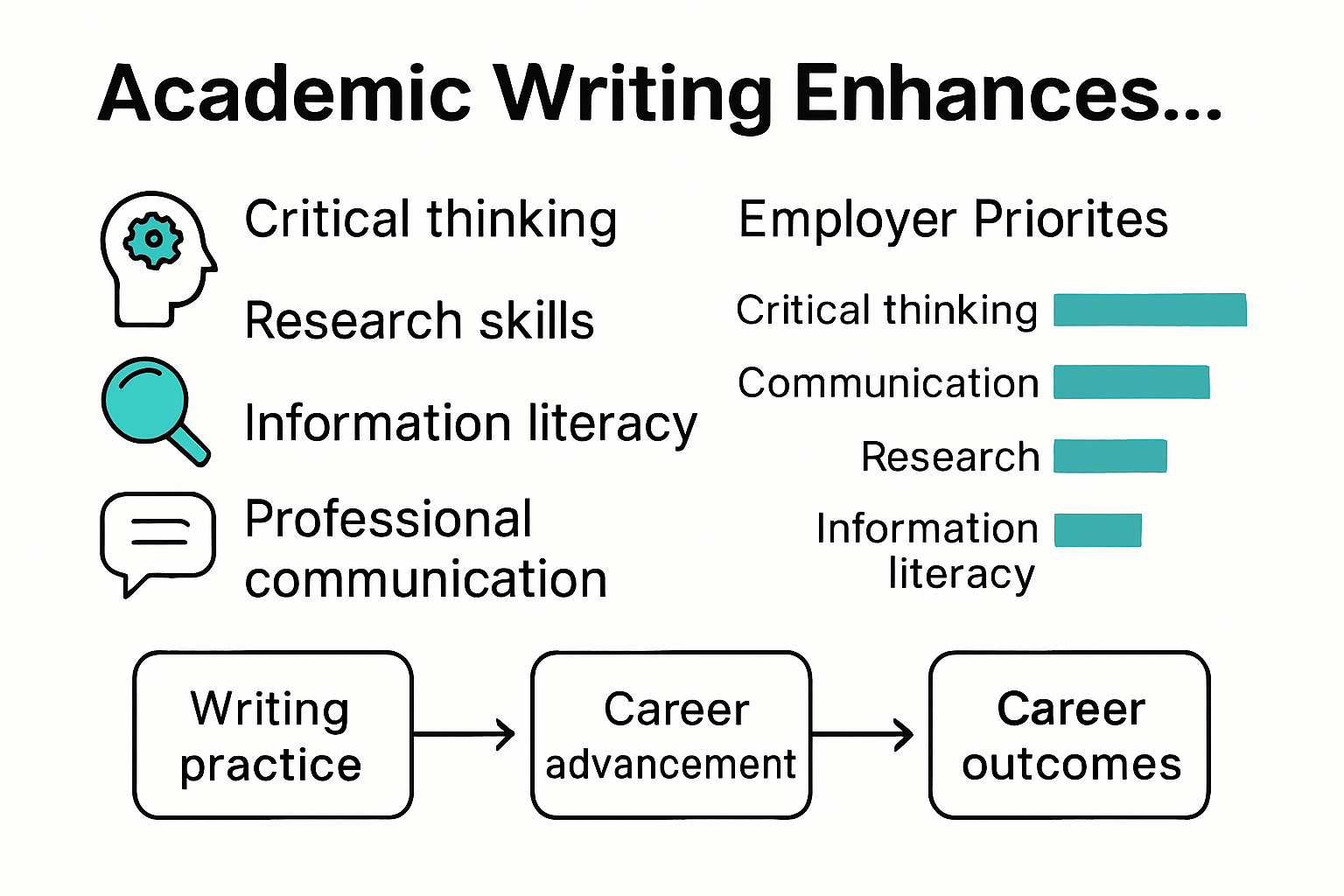
The transition from high school to university often feels like entering a world where everyone speaks a different language. While you might be focusing on technical formulas, medical charts, or business spreadsheets, the underlying currency of your education remains the written word. Writing is not just a way to record what you have learned; it is a fundamental tool for thinking.
Thank you for reading this post, don't forget to subscribe!Key Takeaways
- The transition from high school to university often feels like entering a world where everyone speaks a different language.
- Writing is not just a way to record what you have learned; it is a fundamental tool for thinking.
- Without the ability to articulate complex ideas clearly, even the most brilliant research remains locked inside your head.
Bridging the Gap Between Disciplines
Whether you are studying Mechanical Engineering or Fine Arts, you will eventually have to write. Engineers must write safety reports and project proposals; artists must write artist statements and grant applications. In the professional world, your "writing" is often the only part of you a client or a manager sees.
If your emails and reports are cluttered and confusing, people will assume your work is cluttered and confusing too. Overcoming the "Humanities" Hurdle Many students in STEM (Science, Technology, Engineering, and Math) struggle with the specific stylistic requirements of the humanities. Writing an analysis of a 19th-century novel is vastly different from writing a lab report.
This is where many students realize that English assignment help is a vital resource. By working with experts at MyAssignmentHelp, students can learn how to navigate the nuances of literary theory and argumentative structures. Mastering these skills early ensures that you aren't held back by a single difficult subject outside your major.
Common Writing Challenges for Undergraduates
The jump to university-level writing involves several "growing pains. " Understanding these common pitfalls can help you avoid them in your own work. ChallengeImpact on GradesSolutionWeak Thesis StatementsThe paper lacks a central argument.
Focus on a single, debatable claim. Passive VoiceSentences feel wordy and indirect. Use active verbs to drive the point home.
Poor CitationRisks of accidental plagiarism. Use a consistent style (APA, MLA, Harvard). Lack of FlowThe reader gets lost between points.
Use "signposting" words like however and therefore.
For further context, you may also find our guide on Benefits for Small Business useful.
Professionalism and the Digital Age
In 2026, the workplace is more digital than ever. Remote work and global teams mean that your primary form of interaction with colleagues is written. Clear writing translates to "professionalism.
" If you can write a clear, concise executive summary, you save your company time and money. Conversely, a poorly written brief can lead to expensive mistakes and miscommunication. Writing also builds your "Digital Footprint.
" Whether it is a LinkedIn post or a published research paper, your written words are a permanent record of your expertise. Developing a strong, human voice—one that avoids robotic or overly formal "AI-sounding" cliches—makes you stand out in a sea of generic content.
Developing a Sustainable Writing Habit
You don't become a great writer overnight. It is a muscle that needs consistent exercise. Read Regularly: The best writers are often the most voracious readers.
Exposure to different styles helps you develop your own. Edit Ruthlessly: Never submit your first draft. Give yourself at least 24 hours between writing and editing to catch errors with "fresh eyes.
" Seek Feedback: Don't be afraid to show your work to peers or tutors. Constructive criticism is the fastest way to improve.
For further context, you may also find our guide on Ibrahim Chappelle: Life and Family Background useful.
The Role of Information Gain in Essays
Google and university professors have something in common: they both hate "fluff. " They are looking for Information Gain. This means adding something new to the conversation rather than just repeating what others have said.
In your essays, try to find a unique angle or a recent case study that hasn't been overused. This demonstrates that you aren't just a passive consumer of information, but an active contributor to your field. Conclusion: A Skill for Life Ultimately, writing is about connection.
It is the bridge between your ideas and the rest of the world. While university life is full of temporary challenges—exams, lab tests, and presentations—the ability to write effectively is a permanent asset. It is the skill that will help you land your first job, earn your first promotion, and lead teams effectively.
By investing in your writing skills now, you are investing in the long-term success of your entire career. Frequently Asked Questions (FAQ) Q: Why is writing important even if I’m a Math or Science major? A: Because you will eventually need to explain your findings.
Whether it's a funding proposal, a patent application, or a project report, your technical skills are only as valuable as your ability to communicate them to stakeholders. Q: How can I make my writing sound more "human"? A: Avoid over-relying on complex jargon and "filler" words.
Read your work out loud; if it sounds like something a person wouldn't actually say, rephrase it. Use personal examples and varied sentence lengths to create a natural rhythm. Q: What is the best way to improve my academic grades quickly?
A: Focus on your structure. Most students lose marks not because they lack knowledge, but because their ideas are disorganized. Using a clear introduction, logical body paragraphs, and a strong conclusion is the fastest way to see an improvement.
Q: Is it okay to use professional help for my assignments? A: Yes, many students use professional services as a learning tool. Seeing how an expert structures an argument or cites sources can provide a "blueprint" that helps you improve your own writing for future tasks.
About The Author
As a digital strategist and academic consultant with MyAssignmentHelp, Ruby walker, specialize in bridging the gap between student challenges and high-level academic performance. My work focuses on deconstructing complex university requirements into manageable, actionable strategies that help undergraduates find their unique voice.
For further context, you may also find our guide on AI Technology in Digital Marketing useful.
Frequently Asked Questions
1. What is Why Writing Skills are Vital for Every University Degree about?
This article provides a comprehensive, well-researched overview of why writing skills are vital for every university degree, covering all key aspects in depth.
2. Why is Why Writing Skills important?
Understanding why writing skills helps readers make informed decisions and gain valuable context about the topic.
3. Where can I learn more about Why Writing Skills are Vital for Every University Degree?
Explore related articles on HiveMindReads.com for additional context, expert analysis, and up-to-date information.
4. Is the information about Why Writing Skills up to date?
This article is regularly reviewed and updated to ensure accuracy and relevance for current readers.
5. How reliable is the Why Writing Skills are Vital for Every University Degree information provided here?
All information is sourced from credible references and presented by experienced writers committed to factual accuracy.
Conclusion
A: Yes, many students use professional services as a learning tool. Seeing how an expert structures an argument or cites sources can provide a "blueprint" that helps you improve your own writing for future tasks. About The Author As a digital strategist and academic consultant with MyAssignmentHelp, Ruby walker, specialize in bridging the gap between student challenges and high-level academic performance. My work focuses on deconstructing complex university requirements into manageable, actionable strategies that help undergraduates find their unique voice.