Why PPE Matters: Protecting Lives One Layer at a Time
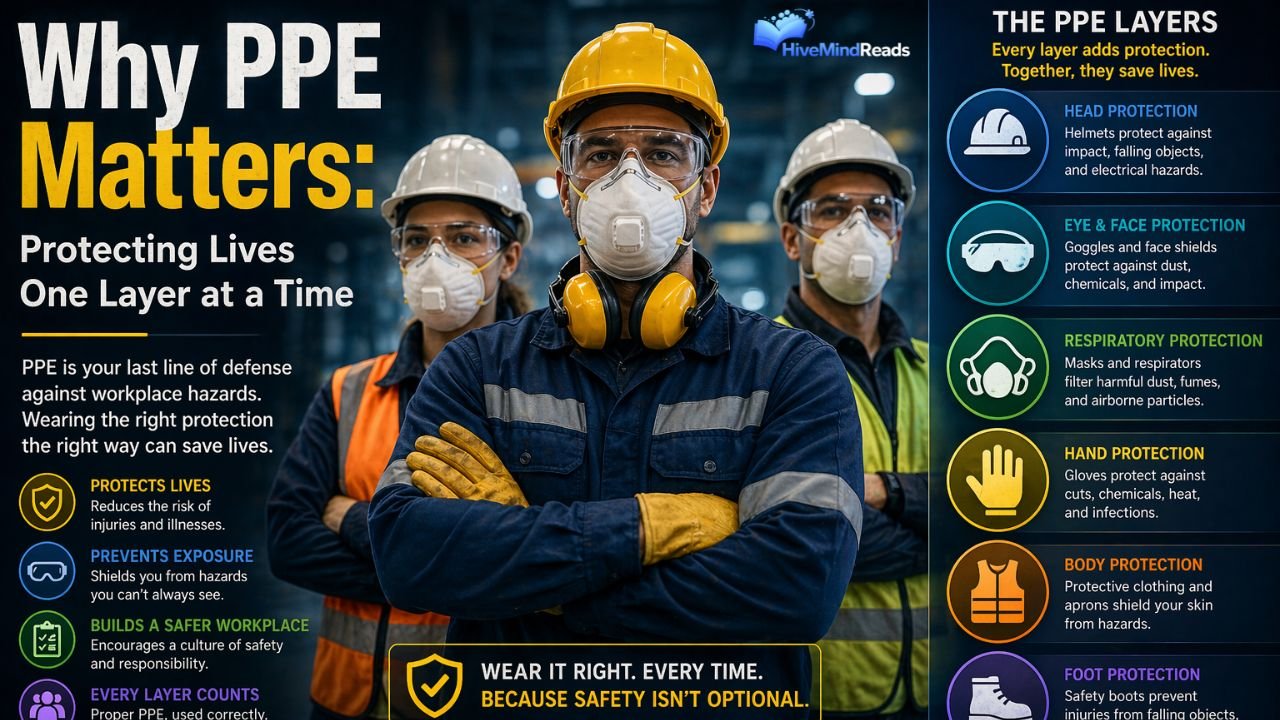
In any environment where risks are present—whether on a construction site, in a hospital, or within a manufacturing plant—personal protective equipment (PPE) plays a vital role in safeguarding lives. Often seen as a last line of defense, PPE is more than just a requirement; it is a critical component of a broader safety culture that prioritizes health, prevention, and responsibility.
Thank you for reading this post, don't forget to subscribe!Understanding PPE and Its Purpose
Personal protective equipment refers to specialized clothing or gear designed to protect individuals from hazards that could cause injury or illness. This includes items such as helmets, gloves, goggles, face shields, masks, and protective footwear. Each piece serves a specific purpose, shielding the wearer from dangers like chemical exposure, physical impact, airborne particles, and extreme temperatures.
While engineering controls and safe work practices aim to eliminate or reduce risks, PPE acts as a protective barrier when hazards cannot be fully removed. It ensures that workers can perform their tasks with an added layer of security, minimizing the chances of accidents turning into serious incidents.
The Real Impact of PPE on Safety
The importance of PPE becomes evident when considering the potential consequences of working without it. Injuries that could have been prevented—such as cuts, burns, respiratory issues, or eye damage—often occur due to the absence or misuse of protective gear.
For example, a simple pair of safety goggles can prevent irreversible eye injuries caused by flying debris. Similarly, gloves protect against chemical burns and skin irritation, while helmets reduce the severity of head injuries in high-risk environments. These seemingly basic items can make the difference between a close call and a life-altering event.
Beyond physical protection, PPE also contributes to psychological safety. Workers who feel protected are more confident and focused, which can lead to improved productivity and fewer mistakes.
Building a Culture of Safety
Providing PPE is only one part of the equation. Its effectiveness depends on proper usage, maintenance, and consistent enforcement. Employers must ensure that workers are trained to understand when and how to use PPE correctly. This includes selecting the right equipment for specific tasks and ensuring it fits properly.
A strong safety culture encourages employees to take PPE seriously, not as an inconvenience but as a necessity. When organizations emphasize accountability and lead by example, compliance becomes a shared responsibility rather than a forced rule.
Regular inspections and replacements are also essential. Damaged or worn-out PPE can compromise safety, giving a false sense of protection. Keeping equipment in good condition ensures it performs as intended when it matters most.
PPE Beyond the Workplace
While PPE is commonly associated with industrial settings, its importance extends into everyday life. Healthcare professionals rely on masks, gloves, and gowns to prevent the spread of infections. Even in daily activities, items like face masks and protective clothing can reduce exposure to environmental hazards.
The global awareness of PPE has increased significantly in recent years, highlighting its role not just in occupational safety but also in public health. This broader understanding reinforces the idea that protection is a universal need, not limited to specific industries.
The Role of Materials and Innovation
Advancements in materials have greatly improved the effectiveness and comfort of PPE. Modern designs focus on durability, flexibility, and breathability, ensuring that protective gear does not hinder performance. Materials such as non woven fabrics are often used in protective clothing to provide both strength and comfort, allowing for better mobility while maintaining safety standards.
Innovation continues to drive the development of smarter PPE, including equipment with enhanced visibility, improved filtration systems, and ergonomic designs. These improvements encourage consistent use, as workers are more likely to wear gear that is comfortable and easy to use.
A Simple Choice That Saves Lives
At its core, PPE represents a simple yet powerful concept: prevention. It is a proactive measure that protects individuals from harm before accidents occur. Choosing to wear PPE is not just about following rules—it is about valuing life, health, and well-being.
Every helmet worn, every glove used, and every mask secured is a step toward a safer environment. When individuals and organizations commit to proper PPE use, they create a culture where safety is not optional but essential.
Final Thoughts
PPE matters because lives matter. It stands as a crucial barrier between people and potential hazards, offering protection in situations where risks are unavoidable. By understanding its importance, using it correctly, and promoting a culture of safety, we can ensure that every layer of protection truly counts.
In the end, PPE is not just equipment—it is a commitment to protecting what matters most.