Creating Memorable Experiences with Customized Carry Solutions
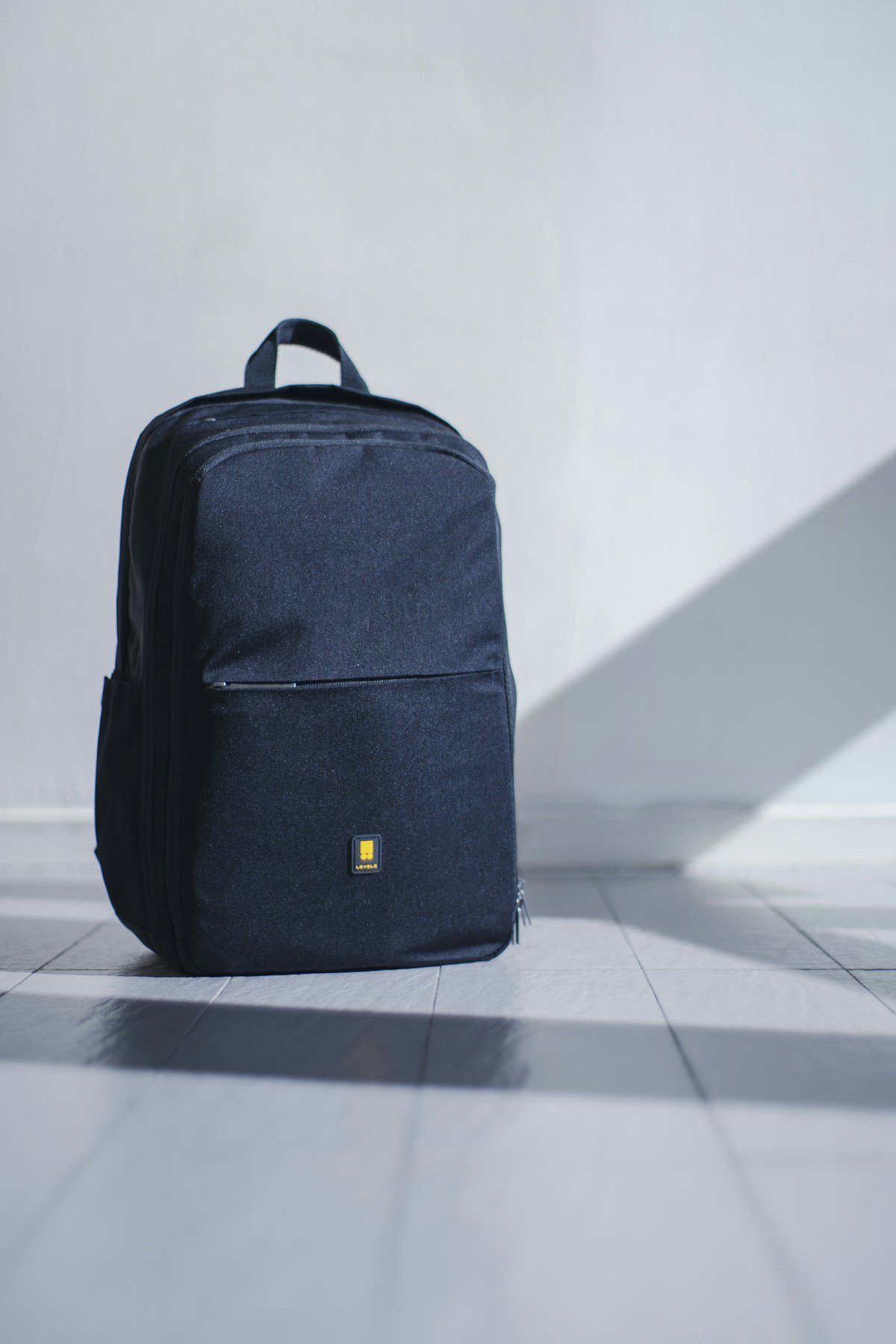
Advertisements are forgotten. Experiences are remembered. A well-planned brand activation, product launch, or corporate event can linger in someone’s mind for years after the moment has passed. But here’s the real challenge that countless marketing teams face: how do you create something that outlives the event itself?
Thank you for reading this post, don't forget to subscribe!Standard giveaways get thrown in a drawer. Generic branded merchandise collects dust. Copycat products fail to make any meaningful impression. This is exactly where strategically designed, customized carry solutions — particularly custom backpacks — make a genuinely dramatic difference. When a product seamlessly integrates itself into someone’s daily routine, it doesn’t just remind them of your brand; it actively becomes part of their lifestyle. And that’s a level of brand penetration that no digital advertisement can buy.
This guide explores in depth how thoughtful design, genuine utility, and smart personalization can transform what might seem like a simple branded product into a powerful, long-lasting, memorable experience for your customers, employees, and event attendees.
Why Customized Carry Solutions Work Where Other Marketing Fails
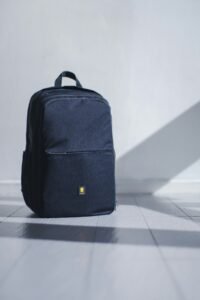
The fundamental problem with most branded merchandise is that it serves the brand’s interests rather than the user’s actual needs. A branded pen might be forgotten in a pocket. A branded tote bag might be stuffed into a closet after one use. But a high-quality, thoughtfully designed custom backpack is genuinely different.
Think about how people actually interact with objects in their daily lives. They carry bags to work, school, the gym, and on weekend trips. They choose bags based on functionality, comfort, and aesthetics — not brand loyalty. But when your brand can produce a bag that genuinely satisfies all those functional criteria while subtly incorporating your visual identity, something remarkable happens: users adopt the product enthusiastically because it earns its place in their life, not because it was given away for free.
That organic adoption is what makes customized carry solutions the most powerful category of branded merchandise. The product travels with the user through their entire day, exposing your brand to every person they encounter in workplaces, coffee shops, transit systems, schools, and social spaces. A single well-designed backpack used daily can generate thousands of branded impressions per month from a one-time cost.
Step 1: Design for How Real People Actually Live
The single most critical principle in designing effective customized carry solutions is this: design for actual human needs, not for the convenience of fitting your logo somewhere prominent. A product that is genuinely useful gets used daily; a product that prioritizes branding over functionality sits unused.
When designing custom backpacks or carry bags for brand campaigns, consider these essential functional elements:
Compartmentalization: Modern users need organized, dedicated spaces for laptops, tablets, charging cables, water bottles, and everyday items. A bag with thoughtful internal organization is dramatically more useful — and therefore more used — than a simple open sack.
Comfortable carry systems: Padded shoulder straps with sternum clips, ergonomic back panels with airflow channels, and weight distribution systems make the difference between a bag someone willingly carries every day and one that causes back pain after an hour.
Durable, quality materials: Bags made from high-denier nylon, ripstop fabric, or recycled PET materials communicate quality and longevity. When a bag visibly lasts for years, users unconsciously associate that durability with the brand that provided it.
Appropriate sizing: A bag that’s designed to hold what real people actually carry — not just marketing materials — will be used. If it’s too large to be practical daily or too small to fit a laptop, it gets relegated to occasional use.
The most successful branded carry solutions are the ones where users forget they’re carrying a branded item and simply appreciate that they have a genuinely excellent bag.
Step 2: Personalization That Feels Natural, Not Forced
There is a significant and important distinction between personalization that enhances a product and branding that dominates it. Heavy-handed branding — enormous logos printed across every surface in garish corporate colors — immediately signals to the user that the bag was a marketing exercise rather than a genuine gift. People resist becoming walking billboards for brands they didn’t choose to endorse.
The most effective approach is what experienced brand designers call “subtle confidence”: incorporating brand identity in ways that feel like premium design choices rather than obvious advertising placements. A tasteful woven logo label on a zipper pull. A brand-colored interior lining visible only when the bag is open. An embossed logo in matching thread on a subtle chest strap. A distinctive hardware color that echoes brand palette.
When personalization feels natural and integrated into the overall design aesthetic rather than slapped on top of it, users don’t feel like they’re advertising your brand — they feel like they have a genuinely attractive bag that happens to have a tasteful brand mark on it. That psychological difference is enormous.
For campaigns where individual personalization is possible (employee gifts, VIP client presents, recognition awards), adding the recipient’s name or initials through embossing or woven name patches dramatically increases emotional attachment. A product that feels specifically made for you is far less likely to be given away or discarded.
Step 3: Select for Long-Term Value, Not Short-Term Cost
One of the most common and costly mistakes brands make with merchandise is optimizing for the lowest possible per-unit cost rather than the highest possible per-user value. The mathematical logic seems sound: a lower cost means more units for the same budget. But this reasoning ignores the fundamental economics of branded merchandise.
A cheap bag used once is worth approximately zero in brand exposure and association. A quality bag used daily for three years generates enormous return on investment through daily brand impressions, positive brand association (quality product = quality brand), and word-of-mouth when people ask “where did you get that bag?”
When evaluating the cost-effectiveness of customized carry solutions, always calculate cost-per-use rather than cost-per-unit. A $12 cheaply made bag used three times costs $4 per use. A $45 premium bag used 500 times over two years costs $0.09 per use — and generates infinitely more positive brand associations in the process.
Select materials and construction techniques that will genuinely last. Invest in quality zippers (YKK is the gold standard), reinforced stress points, and fabrics that hold their shape and color through hundreds of uses and multiple wash cycles. The additional per-unit investment pays back many times over in extended brand exposure and superior user perception.
Step 4: Amplify Reach Through Strategic Distribution
One of the most powerful aspects of customized carry solutions is their inherent mobility. Unlike a branded poster on a wall, a banner at a trade show, or a digital ad confined to one user’s screen, a well-used bag travels continuously through multiple different environments every single day.
Consider the typical journey of a quality backpack given to an employee or event attendee: it goes to the office on Monday, to a coffee shop meeting on Tuesday, to the gym on Wednesday, on a weekend trip on Saturday. Every location it visits, every person who sees it, becomes a potential brand impression — entirely without additional cost or effort on your part.
Think carefully about who receives your customized carry solutions, because they are effectively unpaid brand ambassadors. Products distributed to high-mobility individuals — frequent travelers, commuters, remote workers, students, field sales professionals — maximize the geographic and demographic spread of brand exposure.
For maximum word-of-mouth impact, consider manufacturing exclusive limited-edition designs or numbering each piece. Scarcity increases perceived value and makes recipients more likely to mention, photograph, and share the product on social media, extending your brand’s organic reach even further.
Step 5: Maintain Brand Consistency Across Every Detail
A customized carry solution is a physical, three-dimensional embodiment of your brand’s values. Every single element — the weight of the fabric, the smoothness of the zipper, the comfort of the straps, the quality of the stitching — communicates something specific and powerful about your brand’s character.
Ensure absolute consistency between the quality and aesthetics of the customized product and the broader brand identity you want to project. A premium financial services firm distributing a flimsy, cheaply made bag sends a contradictory message about its claimed commitment to quality. A sustainable consumer brand distributing a bag made from virgin synthetic materials undermines its environmental claims.
Your brand colors, typography, and visual identity should be faithfully represented within the product’s design in a way that feels integrated and premium rather than applied and obvious. Work with experienced product designers who understand both functional carry design and brand identity translation, not just manufacturers who will apply your logo to whatever template is cheapest to produce.
Frequently Asked Questions (FAQs)
Why are custom backpacks more effective than other types of branded merchandise?
Custom backpacks are uniquely effective because they solve a universal, daily human need: carrying things. Unlike branded USB drives, pens, or notebooks — which are either quickly consumed or stored away — a quality backpack becomes part of someone’s daily routine. This creates repeated, sustained brand exposure in diverse real-world environments rather than a one-time impression. The best branded merchandise is the kind that earns its place in someone’s life through genuine usefulness.
How do I choose between printing, embroidery, and other logo application methods?
Each application method communicates different brand qualities. Embroidery conveys premium quality and durability — it’s the method used by luxury and heritage brands. Screen printing is bold and cost-effective for large, colorful designs on fabric surfaces. Laser engraving works beautifully on leather and metal hardware. Woven labels create a sophisticated, integrated look. The right method depends on your brand positioning: premium brands should invest in embroidery or woven labels; high-energy, youth-focused brands might choose vibrant screen printing.
What is a realistic minimum order quantity (MOQ) for custom bags?
Most quality bag manufacturers require minimum orders of 50–200 units for standard customization (logo placement on existing bag styles) and 300–500 units for fully custom-designed bags. For corporate gifting, event giveaways, or employee programs, plan your budget around a minimum of 100 units to access quality production at reasonable per-unit costs. Smaller quantities are available from domestic print-on-demand suppliers at higher per-unit costs.
How long does it take to produce customized carry solutions?
Standard customization on existing bag templates typically requires 4–6 weeks from design approval to delivery for offshore manufacturing, or 2–3 weeks for domestic suppliers. Fully custom-designed bags — where the bag itself is designed from scratch with custom hardware, fabric, and construction — require 12–20 weeks including design iteration, prototype production, sample approval, and full production. Always build buffer time into your campaign planning, particularly around major holidays when manufacturing capacity is constrained.
Conclusion
In a marketing landscape cluttered with forgettable digital impressions, customized carry solutions offer something genuinely rare: a tangible, functional, daily-use touchpoint that integrates your brand naturally into the real lives of real people.
The formula for success is straightforward but requires genuine commitment: design for authentic human utility first, personalize with natural subtlety rather than aggressive branding, invest in materials and construction quality that will last years rather than weeks, distribute strategically to maximize mobile brand exposure, and maintain absolute consistency with your broader brand identity throughout every design detail.
When you get all of these elements right, you don’t just create branded merchandise — you create a meaningful experience that lives on in someone’s daily life long after any advertisement or event has been forgotten.