Business Storage: Complete Guide to Solutions, Benefits, Types, and Best Practices
Business Storage: Complete Guide to Solutions, Benefits, Types, and Best Practices
The concept of business storage has become incredibly important in today’s fast-paced, data-driven world. Whether a company deals with heavy physical inventory, bulky office equipment, or terabytes of digital data, having an efficient, secure storage system is essential for smooth daily operations.
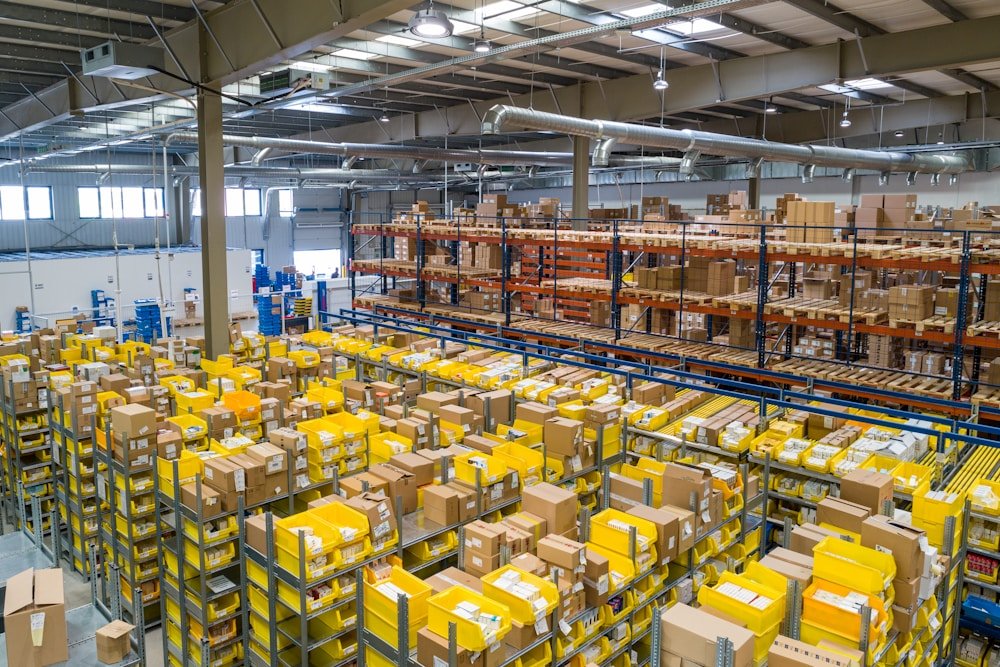
Businesses of all sizes—from local startups to massive global enterprises—rely on effective storage solutions to manage their resources, improve internal organization, reduce overhead costs, and enhance overall employee productivity. From massive physical warehouses and convenient self-storage units to highly secure cloud-based systems like Google Drive and Amazon Web Services, business storage has evolved significantly over the last decade.
This comprehensive guide provides a complete overview of modern business storage types, their specific benefits, optimization strategies, and future trends, helping you understand exactly how to optimize storage infrastructure for your organization.
What is Business Storage?
At its core, business storage refers to the strategic systems and methods used by organizations to securely store physical goods, paper documents, or digital data. It is a broad term that encompasses everything from raw inventory storage and archival document management to advanced cloud storage and automated data backup systems.
The primary goal of business storage is to ensure that all company assets are completely secure, perfectly organized, and easily accessible exactly when needed. Efficient storage systems help businesses avoid physical clutter, significantly reduce operational delays, and maintain much better control over their critical resources.
Types of Business Storage
Business storage is generally divided into two main categories: physical and digital. Understanding the nuances of each helps businesses choose the right mix for their specific operational needs.
Physical Storage Solutions
Physical storage involves storing tangible, real-world items such as retail inventory, manufacturing equipment, and historical paper documents. This category includes traditional warehouses, commercial storage units, and dedicated in-office storage spaces. Businesses often use external physical storage facilities to manage excess inventory during off-seasons or to hold seasonal promotional stock. These spaces are specifically designed to provide high-level security, easy accessibility for logistics teams, and efficient structural organization.
Self-Storage for Businesses
Commercial self-storage units are an incredibly flexible, cost-effective option for small and medium-sized businesses (SMBs). They allow growing companies to rent physical space based entirely on their current needs, without being locked into expensive, long-term commercial real estate leases. This type of storage is absolutely ideal for safely storing old tax documents, unused office furniture, and overflow retail inventory. It provides an immediate solution for businesses struggling with limited in-house office space.
Warehouse Storage
Warehouse storage is the backbone for large retail businesses, manufacturers, and e-commerce companies. It involves storing massive quantities of goods in massive facilities explicitly designed for inventory management, complex logistics, and rapid distribution. Modern warehouses are equipped with advanced inventory tracking software (WMS), automated forklifts, and strict security protocols to ensure highly efficient supply chain operations.
Digital and Cloud Storage
Digital storage has become the most critical component of modern corporate operations. Cloud-based platforms allow businesses to store, manage, and access their data entirely online, eliminating the need for bulky on-premise physical servers. Cloud storage offers massive benefits such as instant remote access for global teams, infinite scalability, enterprise-grade data security, and automated nightly backups. It is widely used for storing everything from basic Word documents and media files to complex customer databases.
The Importance of Business Storage
Effective business storage plays a critical role in maintaining day-to-day operational efficiency. It ensures that all corporate resources are properly managed, logged, and easily accessible to the right personnel.
Good storage systems help businesses instantly reduce clutter and drastically improve team workflow. When files or inventory are properly stored, employees can quickly find exactly what they need, saving countless hours of frustration and significantly increasing productivity. Furthermore, proper storage aggressively enhances security by protecting valuable physical assets from theft and shielding sensitive digital information from cyberattacks. This is especially vital for healthcare, finance, and legal businesses handling highly confidential client data.
Benefits of Business Storage
One of the main advantages of a dedicated business storage strategy is vastly improved organization. Proper systems make it exponentially easier to track inventory levels, locate specific documents, and manage digital data silos.
Cost efficiency is another massive benefit. By intentionally optimizing both physical and digital storage space, businesses can permanently reduce expenses related to renting large office spaces and buying unnecessary on-premise hardware. Flexibility is also a major factor; businesses can instantly scale their digital storage up or down based on current growth, only paying for exactly what they use.
Choosing the Right Storage Solution
Selecting the absolute right business storage solution depends heavily on several factors, including your specific industry, your actual storage volume needs, and your available budget.
Companies should critically evaluate whether they need heavy physical storage, entirely digital storage, or a hybrid combination of both. For example, a fast-growing e-commerce business absolutely requires robust warehouse storage and fulfillment centers, while a remote digital marketing agency may rely entirely on cloud storage platforms like Dropbox or Microsoft OneDrive.
Security is the next most important consideration. Businesses must legally ensure that their chosen storage systems protect their assets from physical theft, environmental damage (like floods or fires), or malicious digital data breaches. Accessibility and future scalability must also be considered to ensure the system remains efficient five years down the line.
Business Storage for Small Businesses
Small businesses often face unique challenges related to extremely limited physical space and tight financial resources. Smart business storage solutions can help them manage their daily operations much more effectively.
Renting a local self-storage unit and subscribing to a scalable cloud storage platform are the two most popular, cost-effective choices for modern small businesses. These options provide the exact flexibility and affordability needed, allowing business owners to securely store items and data without investing heavily in permanent, large-scale infrastructure.
Security in Business Storage
Security is arguably the most critical concern in business storage today. Companies have a legal and ethical obligation to protect their assets from theft, physical damage, and unauthorized digital access.
Physical storage facilities must include robust security features such as 24/7 surveillance cameras, biometric access controls, bright perimeter lighting, and monitored alarms. On the digital side, cloud storage systems must use end-to-end encryption, strong firewalls, and Multi-Factor Authentication (MFA) to protect sensitive company data from hackers. Ensuring these proper security measures are active helps businesses maintain client trust and avoid devastating financial losses.
Future Trends in Business Storage
The future of business storage is being rapidly shaped by aggressive technological advancements. Cloud computing, Artificial Intelligence (AI), and robotics automation are fundamentally transforming how global businesses store and manage their resources.
Cloud storage platforms are becoming vastly more intelligent, offering AI-driven file organization and automated security threat detection. In the physical realm, warehouse automation is improving logistics efficiency, utilizing robots to reduce manual lifting and deeply enhancing inventory accuracy. As businesses continue to evolve, storage solutions will only become more flexible, highly scalable, and heavily technology-driven.
Frequently Asked Questions (FAQs)
What exactly constitutes "business storage"?
Business storage is a broad term that refers to all the systems, facilities, and software a company uses to store its assets. This includes physical goods (like retail inventory and office furniture), paper archives (like old tax records), and digital data (like customer databases and website backups).
Why is upgrading to a modern business storage system so important?
Upgrading is crucial because it directly impacts your bottom line. An optimized storage system improves internal organization, heavily boosts employee productivity by making things easier to find, drastically improves the security of your assets, and often reduces the long-term operational costs associated with wasted space and lost data.
What are the main types of business storage I should consider?
The primary types include Physical Storage (warehouses for large inventory), Self-Storage (smaller rented units for overflow items or documents), and Cloud Storage (digital platforms like AWS or Google Workspace for securely storing files and databases online).
Which storage solution is most cost-effective for a new small business?
For physical items, a local commercial self-storage unit is highly cost-effective because you aren't locked into a long commercial lease. For digital items, subscribing to a cloud storage provider (like Google Workspace or Microsoft 365) is the best option, as you only pay a small monthly fee per user rather than buying expensive servers.
Is cloud storage genuinely safe for highly sensitive business data?
Yes, modern enterprise-grade cloud storage is generally much safer than keeping data on local office computers. Top providers invest billions in cybersecurity, utilizing advanced encryption, continuous threat monitoring, and redundant backups across multiple global servers. However, the business itself must enforce strong passwords and Multi-Factor Authentication (MFA) to prevent unauthorized employee access.
Conclusion
Business storage is a fundamental, foundational aspect of modern corporate operations. Whether it involves securing heavy physical goods in a warehouse or backing up terabytes of digital data to the cloud, effective storage solutions help businesses stay organized, highly secure, and exceptionally efficient.
By taking the time to choose the absolute right storage system, companies can permanently reduce overhead costs, improve daily productivity, and properly support long-term, sustainable growth. As technology continues to rapidly advance, business storage will become even more innovative, offering exciting new opportunities for operational efficiency. Investing in a strong, scalable storage strategy today is not just a basic necessity—it is a critical factor in achieving long-lasting business success.