United Flight UA109 Diversion: Full Story, Timeline, and Aviation Safety Explained
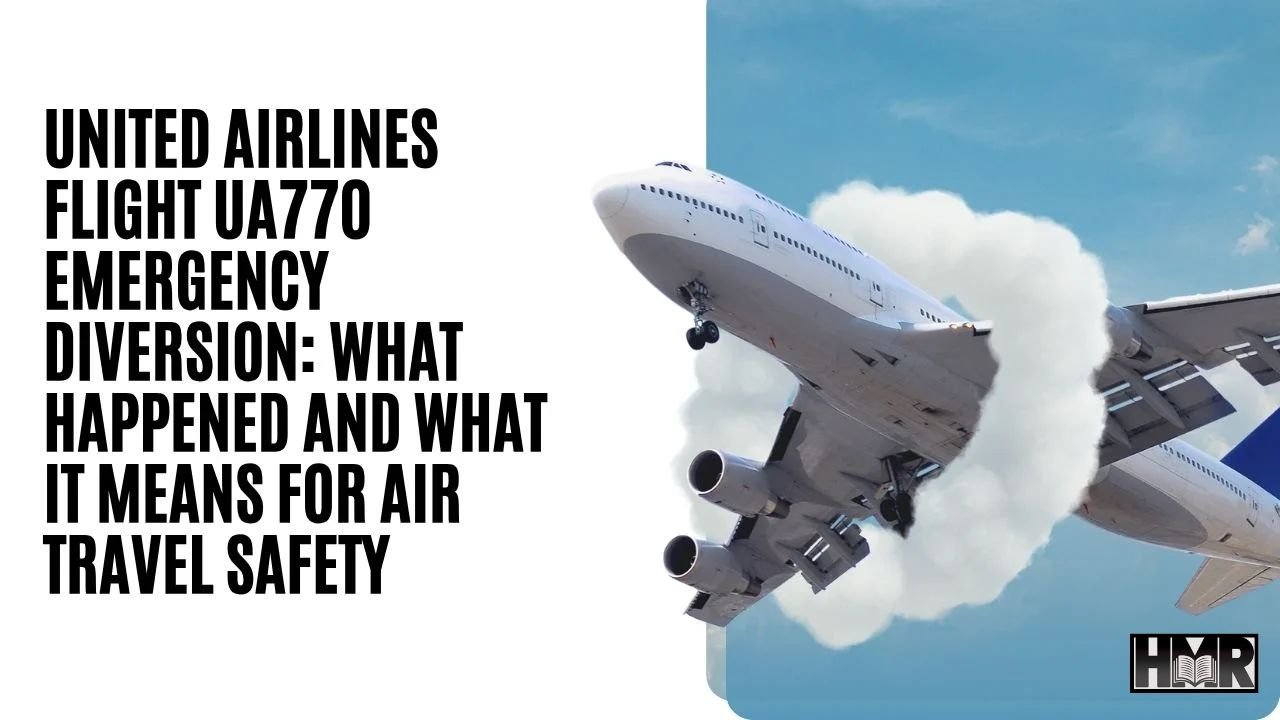
On October 30, 2025, a transatlantic flight operated by United Airlines — Flight UA109 — experienced an unusual and highly discussed diversion while en route from Munich Airport (MUC) in Germany to Washington Dulles International Airport (IAD) in the United States. Instead of continuing its scheduled journey across the Atlantic, the aircraft made an unscheduled landing at Dublin Airport (DUB) in Ireland, drawing global attention from travelers, aviation photographers, and industry watchers alike.
This incident, while resolved safely with minimal disruption, highlights important aspects of aviation safety, flight operations, emergency protocols, regulatory requirements, and passenger experience. Below is a detailed, full-length exploration of what happened, why the diversion occurred, how it unfolded, and what it means for modern air travel.
Flight UA109: Overview and Background
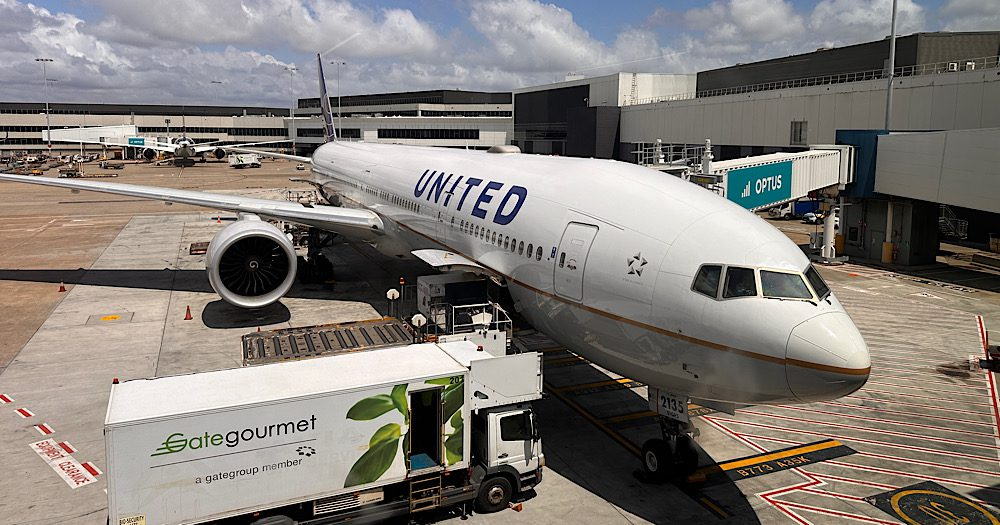
Flight UA109 is a scheduled long-haul service connecting Munich — a major European hub — with Washington, D.C., one of the busiest international gateways in the United States. This route typically serves a mix of business travelers, diplomats, tourists, and international residents. The aircraft used on this service was a Boeing 787-8 Dreamliner, a fuel-efficient, twin-engine wide-body aircraft designed for extended transcontinental and intercontinental operations.
The flight normally takes about 8–9 hours, flying northeast over Europe, then westward across the North Atlantic toward North America. Because long stretches of this journey pass over open ocean and remote regions, airline operations carefully plan for contingencies, including diversions to alternate airports — a requirement of international aviation safety regulations.
Timeline of Events: October 30, 2025
Departure and Cruise
UA109 departed Munich early on the morning of October 30, 2025, climbing to cruising altitude and beginning its east-to-west transatlantic journey. The flight progressed normally for the first several hours as it crossed through European airspace and onward into the North Atlantic.
Medical Emergency Reported
Roughly three hours into the flight, while cruising at approximately 40,000 feet over the Atlantic Ocean, an in-flight medical issue was reported — not involving a passenger, but a cabin crew member. According to airline and flight data reports, the flight attendant was experiencing severe pain due to a blister, which made it difficult to fulfill duties that are critical to cabin safety and compliance with international regulations.
Crew Assessment and Decision to Divert
Airline operations staff, the flight crew, and flight deck personnel reviewed the situation. Unlike common public perception where diversions are often linked to mechanical faults or weather, regulatory aviation rules require that all essential flight and cabin crew be physically capable of performing safety duties throughout the flight. If this condition cannot be met — even due to a non-life-threatening medical issue — the flight becomes non-compliant with safety requirements. In such cases, continuing toward the original destination is not permissible under FAA (Federal Aviation Administration) or EASA (European Union Aviation Safety Agency) standards.
Because of this, the captain and operations team made the safety-first decision to divert the aircraft to the nearest suitable alternate airport — in this case, Dublin Airport.
The Diversion Maneuver and Landing
Once the decision was finalized, UA109 executed a mid-flight U-turn over the Atlantic. These kinds of maneuvers are standard in aviation when diverting: the aircraft reduces altitude, re-coordinates with air traffic control, and sets a new course for the designated diversion airport. Aviation tracking services and flight enthusiasts visually noted this reversal in course on radar tracking platforms.
Approximately 90 minutes after the diversion decision, UA109 landed safely at Dublin Airport (DUB) in the early afternoon. Emergency vehicles were on standby as the aircraft touched down — another routine safety protocol for diversion landings — but no critical emergency was underway.
Once on the ground, medical personnel and airline ground teams met the aircraft. The affected flight attendant was assessed by professionals; fortunately, the condition did not require hospital treatment. All passengers remained on board during these procedures, and the aircraft underwent necessary operational checks before departure.
Why Dublin Was Chosen
Dublin Airport’s selection as the diversion site was not accidental. For decades, Dublin has been a key alternate airport for transatlantic flights due to its strategic geographical position roughly midway between Europe and North America. For flights that encounter emergencies — whether medical, technical, or weather-related — Dublin can handle large wide-body aircraft and provide rapid access to advanced medical care, ground support, and operational facilities.
Moreover, because the 787 Dreamliner operates on ETOPS (Extended Twin-Engine Operations) rules across oceans, airlines must plan routes that are always within a certified diversion distance of a capable alternate airport. Dublin is frequently part of these alternate plans, making it a natural choice for UA109’s diversion.
Resuming the Journey
After the health check of the crew member and completion of all necessary operational checks, UA109 was cleared to depart Dublin. The flight resumed that same afternoon and continued to Washington Dulles International Airport. The unscheduled stop added approximately two hours of delay to the journey timeline. Yet, despite the unexpected detour, passengers arrived safely with minimal disruption relative to the scale of cross-ocean travel.
What a Diversion Actually Means
A flight diversion is different from an emergency landing or forced landing, though these terms are often conflated by non-aviation audiences. A diversion occurs when a flight adjusts its planned routing to land at a different airport than originally scheduled due to unforeseen circumstances that require attention. Diversions can occur for:
- Medical emergencies involving passengers or crew
- Technical or mechanical issues requiring inspection or repairs
- Weather or atmospheric conditions
- Security issues or threats onboard
- Air traffic control constraints
- Compliance with safety or regulatory requirements
In UA109’s case, the cause was the medical incapacity of a flight crew member — a less visible but critically important reason that directly affects in-flight safety and compliance
wikipedia.org/wiki/United_Airlines
Passengers on board UA109 were reportedly informed of the situation through onboard announcements. Flight crews are trained to communicate such changes in a manner that minimizes confusion, conveys safety priorities, and reassures travelers. Diversions can be unsettling, especially when occurring mid-flight, but coordinated communication between pilots, cabin crew, and ground operations helps maintain calm and clarity.
It is common for passengers to experience a short wait during diversions — especially during medical evaluations and pre-departure procedures — but in most cases like UA109, the airline works swiftly to minimize delay and continue the journey as soon as it is safe.
Broader Context: How Common Are Diversions?
While diversions make international headlines when they occur, they are far more common behind the scenes as part of routine aviation operations. Most diversions are handled quickly and without major incident. For example, other flights have diverted due to mechanical issues such as cockpit windscreen cracks or cabin emergencies, landing safely while allowing passengers to continue onward afterward.
What makes UA109’s case notable is not danger but the reason behind it — a non-combat medical condition tied to regulatory safety compliance, serving as a practical example of how modern aviation prioritizes safety above schedule.
Regulatory and Safety Takeaways
The UA109 diversion underscores a key principle in aviation: Safety regulations govern every decision in flight operations. These rules are designed to protect passengers and crew alike, even when the cause is not immediately visible to passengers. The decision to divert relied on strict global standards enforced by aviation authorities such as the FAA and EASA, which prioritize human capability, aircraft integrity, and predetermined safety margins.
This incident also illustrates the importance of ETOPS planning, alternate airports, and global coordination between airline operations, pilots, flight attendants, air traffic control, and ground services.
Conclusion — Safe, Swift, and Sound Decision-Making
The diversion of United Flight UA109 stands as a textbook example of aviation safety systems working exactly as intended. Far from a headline-grabbing crisis it was a precautionary measure taken before any major problem developed. Thanks to effective crew decisions, global aviation protocols, and the responsiveness of Dublin Airport’s facilities, the flight resumed its journey with only a minor delay and no injuries.
For passengers and observers alike, UA109’s diversion is a reminder that in aviation — perhaps more than in any other industry — safety always comes first. Whether an aircraft diverts due to weather, medical issues, technical concerns, or rare regulatory requirements, the goal remains the same: protect everyone on board, uphold international safety standards, and ensure that travel continues smoothly and securely.











1 comment