Surgical Tech Jobs: Complete Guide to Career, Salary, Skills, and Opportunities
Introduction
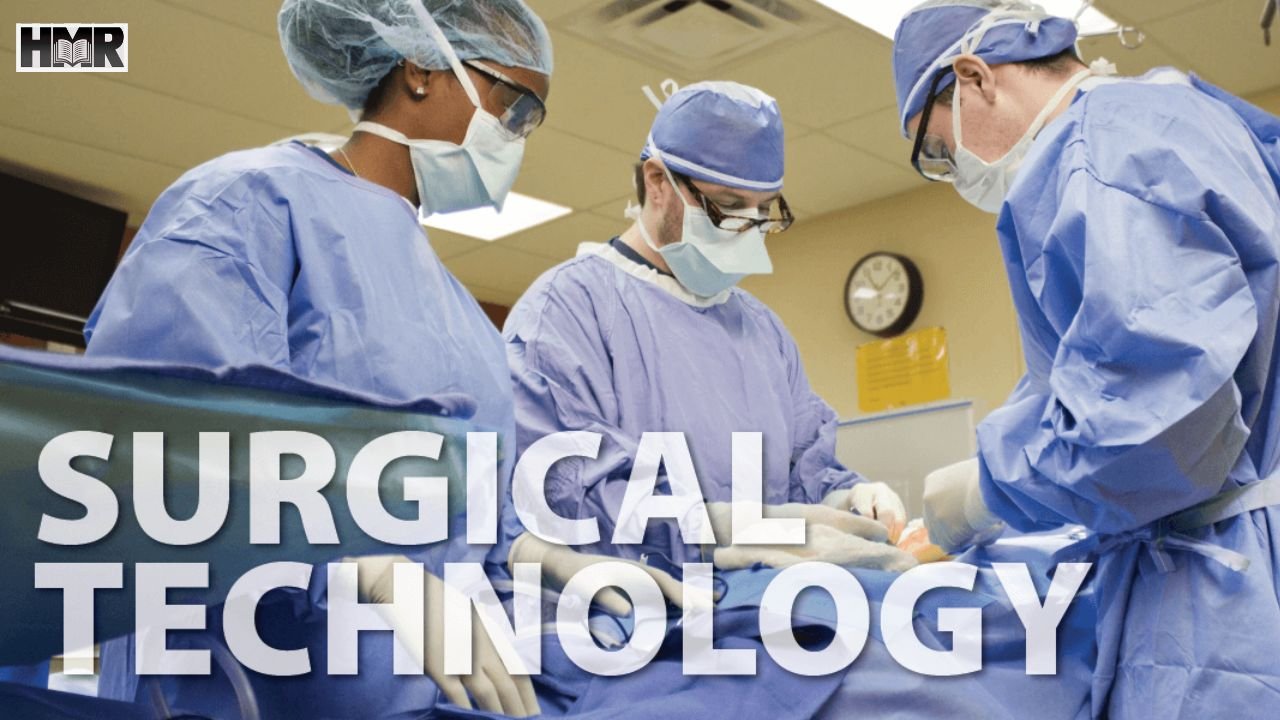
The demand for surgical tech jobs continues to grow as the healthcare industry expands and modern medical procedures become more advanced. Surgical technologists are essential members of the operating room team, working closely with surgeons, nurses, and anesthesiologists to ensure that every procedure runs smoothly and safely.
A career in surgical technology is ideal for individuals who are interested in healthcare but prefer a hands-on, technical role rather than direct patient diagnosis or treatment. These professionals play a behind-the-scenes yet critical role in saving lives and improving patient outcomes.
With rising healthcare needs, an aging population, and continuous advancements in surgical techniques, surgical tech jobs offer stability, growth, and long-term career opportunities. This article provides an in-depth overview of everything you need to know about this profession.
What Are Surgical Tech Jobs?
Surgical tech jobs involve assisting in surgical procedures by preparing operating rooms, organizing instruments, and supporting the surgical team. These professionals are trained to maintain a sterile environment and ensure that all necessary equipment is available and functioning properly.
Surgical technologists are often referred to as the “backbone” of the operating room because they ensure that everything is ready before, during, and after surgery. Their role requires precision, focus, and the ability to work efficiently under pressure.
They are employed in hospitals, outpatient centers, and specialty clinics, where they contribute to successful surgical outcomes.
Role and Responsibilities of a Surgical Technologist
The responsibilities of a surgical technologist are divided into three main phases: before, during, and after surgery.
Before surgery, they prepare the operating room by sterilizing instruments, arranging surgical tools, and ensuring that all equipment is ready. They also check that the environment meets strict hygiene standards.
During surgery, surgical technologists assist the surgeon by passing instruments, holding tissues, and maintaining a sterile field. They must anticipate the surgeon’s needs and respond quickly to ensure the procedure runs smoothly.
After surgery, they are responsible for cleaning the operating room, disposing of medical waste, and preparing instruments for sterilization. This ensures that the operating room is ready for the next procedure.
Educational Requirements for Surgical Tech Jobs
To enter the field of surgical tech jobs, individuals must complete a formal training program in surgical technology. These programs are typically offered by community colleges, technical schools, and healthcare institutions.
The duration of the program usually ranges from one to two years, depending on whether it leads to a diploma or an associate degree. Students study subjects such as anatomy, physiology, microbiology, and surgical procedures.
Clinical training is an essential part of the program, allowing students to gain hands-on experience in real operating rooms. This practical exposure helps build confidence and prepares students for the demands of the job.
Certification is often required or preferred by employers. It demonstrates professional competence and increases job opportunities.
Skills Required for Surgical Tech Jobs
A successful career in surgical tech jobs requires a combination of technical knowledge and personal skills.
Technical skills include understanding surgical instruments, sterilization techniques, and operating room procedures. Attention to detail is critical, as even minor errors can have serious consequences.
Communication skills are also important, as surgical technologists must work closely with surgeons and nurses. They need to understand instructions quickly and respond effectively.
Other essential skills include problem-solving, time management, adaptability, and the ability to remain calm under pressure. Physical stamina is also necessary, as the job often requires standing for long periods.
Work Environment and Conditions
Surgical technologists typically work in fast-paced environments such as hospitals and surgical centers. The operating room is a highly controlled space where strict hygiene and safety protocols must be followed.
Work schedules can vary, including early mornings, evenings, weekends, and on-call shifts. Surgeries can be unpredictable, requiring flexibility and dedication.
Despite the challenges, many professionals find the work environment rewarding because they are directly involved in life-saving procedures.
Salary and Job Outlook
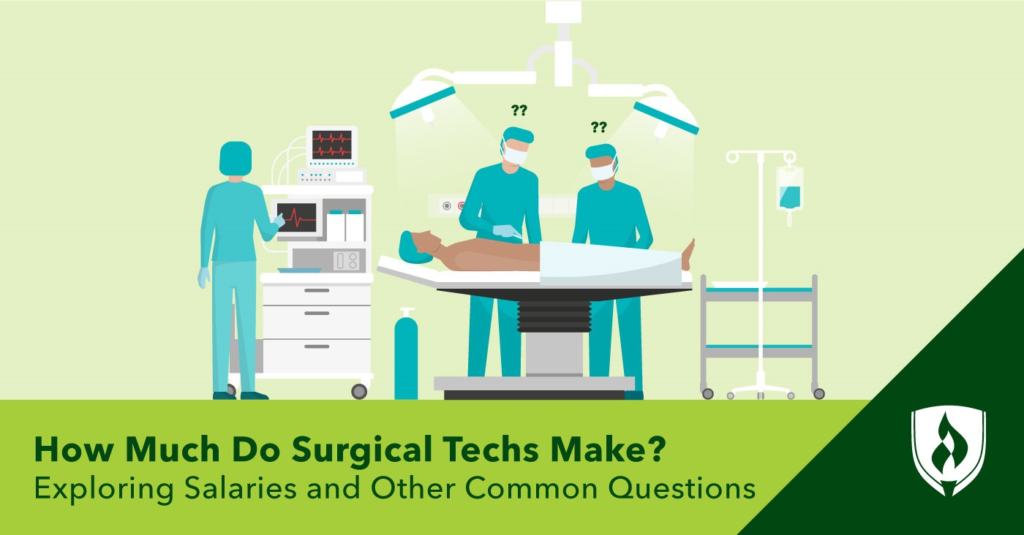
The salary for surgical tech jobs varies based on experience, location, and workplace. Entry-level professionals earn a competitive salary, while experienced technologists can earn significantly more.
The job outlook for surgical technologists is very positive. The demand for healthcare services is increasing, leading to a steady need for skilled professionals in this field.
As medical technology continues to advance, the role of surgical technologists will become even more important, ensuring long-term job security.
Career Advancement Opportunities
Surgical technologists have several opportunities for growth and advancement. With experience, they can specialize in areas such as orthopedic surgery, neurosurgery, or cardiovascular procedures.
Some professionals choose to pursue further education and become surgical assistants or registered nurses. Others move into supervisory roles, managing teams and overseeing operating room operations.
Continuing education and certifications can help individuals expand their skills and advance their careers.
Advantages of Surgical Tech Jobs
There are many benefits to pursuing surgical tech jobs. One of the biggest advantages is job stability, as healthcare professionals are always in demand.
The career provides a sense of purpose, as surgical technologists contribute to saving lives and improving patient health.
It also offers opportunities for growth and specialization, allowing individuals to develop expertise in specific areas of surgery.
Challenges in Surgical Tech Careers
While rewarding, surgical tech jobs come with challenges. The work environment can be stressful, especially during complex or emergency surgeries.
Long hours and physical demands can be tiring. Surgical technologists must remain focused and attentive throughout procedures.
The responsibility of maintaining a sterile environment and ensuring patient safety adds to the pressure. However, with proper training and experience, these challenges can be managed effectively.
How to Start a Career in Surgical Tech
Starting a career in surgical tech jobs involves completing the necessary education and training. Enrolling in an accredited surgical technology program is the first step.
After completing the program, obtaining certification can improve job prospects. Gaining practical experience through internships or clinical training is also essential.
Once qualified, individuals can apply for positions in hospitals or surgical centers and begin their careers.
Future of Surgical Tech Jobs
The future of surgical tech jobs is promising due to advancements in medical technology and increasing healthcare needs.
Innovations such as robotic surgery and minimally invasive procedures are transforming the field. Surgical technologists will need to adapt to new technologies and continuously update their skills.
The growing demand for healthcare services ensures that this profession will remain relevant and in demand.
FAQs
What does a surgical technologist do?
A surgical technologist assists in surgeries by preparing instruments, maintaining a sterile environment, and supporting the surgical team.
How long does it take to become a surgical tech?
It typically takes one to two years to complete the required education and training.
Is certification required?
Certification is often preferred by employers and can improve job opportunities.
What skills are needed for this career?
Key skills include attention to detail, communication, technical knowledge, and the ability to work under pressure.
Is this a good career choice?
Yes, it offers job stability, growth opportunities, and the chance to contribute to healthcare.
Conclusion
Surgical tech jobs provide a rewarding and stable career path for individuals interested in healthcare and technology. These professionals play a crucial role in ensuring the success of surgical procedures and the safety of patients.
With the right education, skills, and dedication, individuals can build a successful career in this field. The growing demand for healthcare services and advancements in medical technology make surgical technology a promising profession.
For those looking for a meaningful and impactful career, becoming a surgical technologist is an excellent choice that offers both personal and professional fulfillment












Post Comment