Starting Hard: Why the Beginning Feels Tough and Why That’s Normal
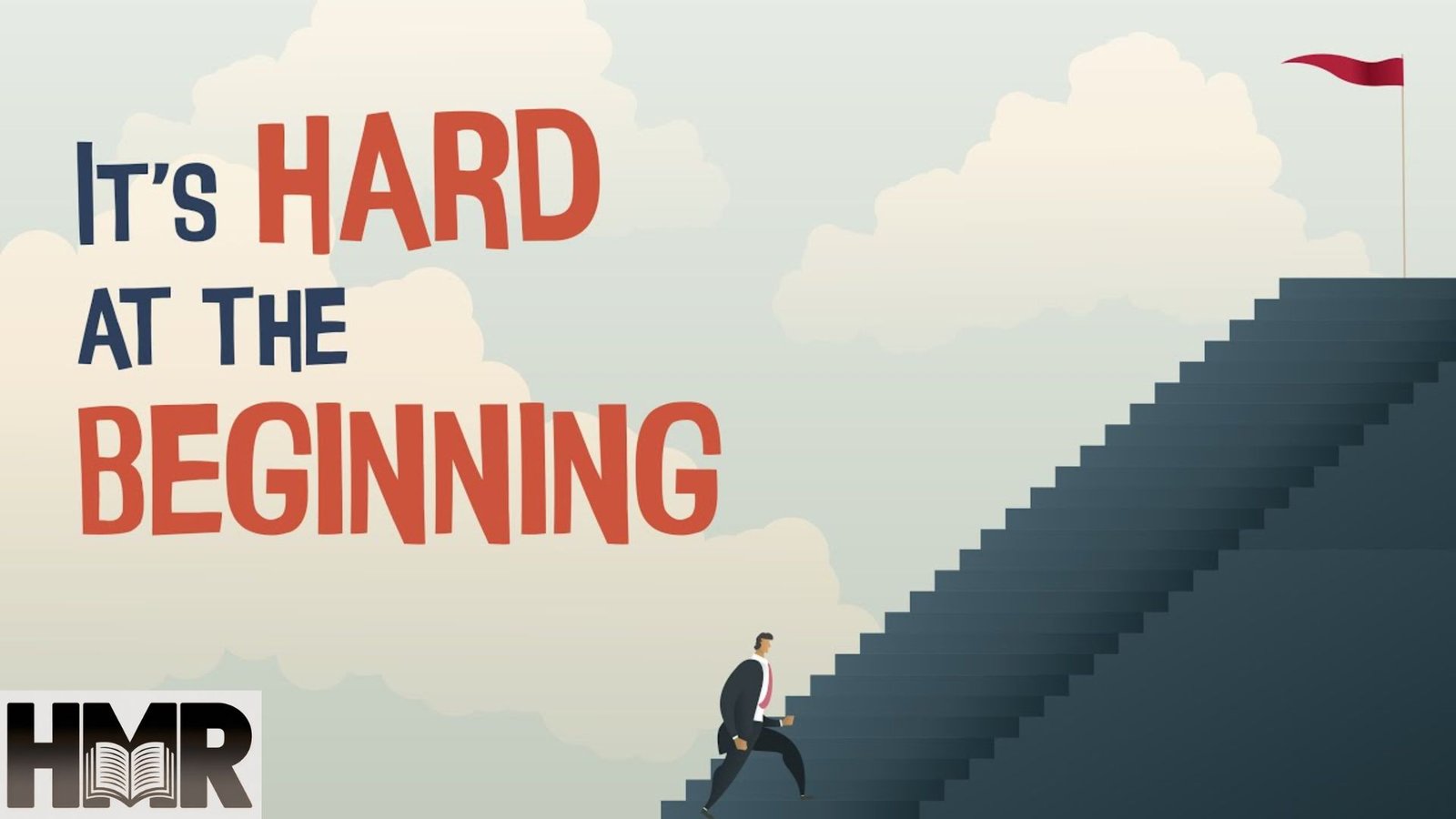
Starting hard is not a failure. It’s a pattern. Almost everything meaningful in life begins with resistance. New businesses. New careers New habits New goals. The start rarely feels smooth, confident, or exciting for long. It feels confusing. Heavy. Uncertain. And that feeling often makes people quit too early Understanding why starting hard is normal changes how you react to struggle. Instead of seeing difficulty as a sign to stop, you begin to see it as proof that you’re doing something real.
What “Starting Hard” Really Means
Starting hard doesn’t mean you’re bad at something. It means you’ve entered unfamiliar territory. Your brain is learning new rules. Your body is adjusting Your confidence hasn’t caught up to your intention yet In the early phase of anything, effort is high and results are low. That imbalance creates frustration. You work more than you win. You think more than you execute You doubt more than you decide. That’s starting hard.
Why Almost Everything Starts Hard
There’s a simple reason beginnings feel heavy. You don’t have momentum yet. Momentum makes things feel easy. At the start, you’re pushing from zero. No habits. No systems No shortcuts Whether it’s starting a business, starting a new job, starting a fitness routine, or starting over in life, the first phase demands more energy than it gives back. That’s uncomfortable. Humans naturally want quick feedback. Starting hard delays that feedback.
The Psychological Side of Starting Hard
When things are hard at the beginning, the mind starts telling stories. Maybe this isn’t for you Maybe you chose wrong. Maybe others are better. These thoughts feel logical, but they’re often just discomfort wearing a voice The brain prefers familiarity. Starting something new threatens that comfort. Resistance shows up as doubt, procrastination, or self-criticism. That’s not weakness. That’s biology.
Starting Hard in Business and Career
Business is one of the clearest examples of starting hard. Early stages are filled with unanswered questions. No clients yet. No steady income No validation. Just effort Most successful businesses looked messy at the start. Revenue was inconsistent. Systems were broken. Confidence was borrowed, not owned. What separated those who succeeded wasn’t talent. It was tolerance for the hard beginning Careers work the same way. Entry-level roles feel overwhelming. Skills feel clumsy. Progress feels slow. But competence grows quietly before confidence ever shows up.
Starting Hard and the Myth of Motivation
Many people wait for motivation to make things easier. That’s backwards. Motivation often comes after progress, not before it. When starting hard, motivation is unreliable. Discipline is more useful Small actions repeated during hard beginnings create traction. Traction creates confidence. Confidence fuels motivation. Skipping the hard part breaks the chain.
Why Quitting Early Feels Logical but Costs the Most
Quitting during the hard phase feels reasonable. You haven’t invested much yet. Results are low. Pain feels high. Walking away feels like self-protection But quitting early is expensive long term. You never reach the phase where effort and results start balancing out. You stay stuck restarting, always experiencing the hardest part again and again Those who succeed don’t avoid starting hard. They move through it once instead of repeating it forever.
How to Handle Starting Hard Without Burning Out
The goal is not to love the hard beginning. The goal is to survive it. Break things down. Lower expectations for speed, not for consistency. Measure effort, not outcomes, early on Give yourself permission to be bad at the start. Skill comes later. Clarity comes later. Ease comes later. Starting hard is temporary if you don’t fight it.
The Hidden Advantage of Starting Hard
Here’s the part people miss. Starting hard filters people. Most quit. That reduces competition. Those who stay gain experience faster because fewer people remain Hard beginnings create resilience. They teach problem-solving. They force focus. By the time things get easier, you’re stronger than you would’ve been if it started easy.
Starting Hard Builds Identity
When you push through difficulty, something shifts internally. You stop seeing yourself as someone who tries. You start seeing yourself as someone who finishes That identity matters. It carries into future challenges. Each hard start you survive makes the next one slightly easier to face.
When Starting Hard Is a Sign to Adjust.Not Quit
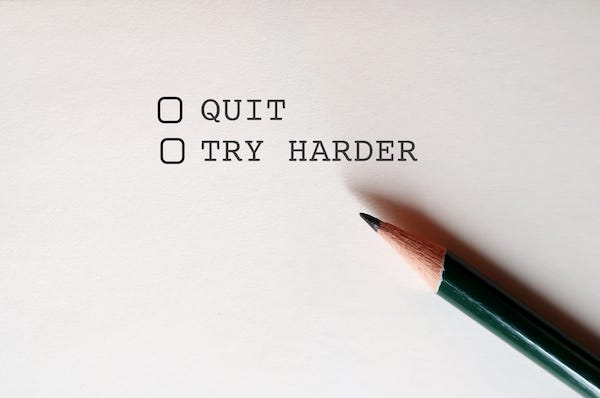
Not all difficulty means continuing blindly. Sometimes starting hard reveals misalignment. The difference is intention. Adjust systems, not commitment. Improve strategy, not effort If you’re learning, growing, and adapting, hard is productive. If you’re stuck repeating the same mistakes without reflection, it’s time to change your approach, not abandon the goal.
Real Progress Is Quiet at the Start
Starting hard rarely looks impressive. Progress happens internally before it shows externally. Skills sharpen. Understanding deepens. Confidence stabilizes By the time others notice your success, the hardest part is already behind you. They didn’t see the messy beginning. They never do.
Final Thoughts on Starting Hard
Starting hard is not a warning sign. It’s an entry fee. Most worthwhile things charge it upfront. The mistake is assuming hard means wrong If something meaningful feels difficult at the beginning, you’re probably on the right path. Stay long enough for momentum to show up. That’s where things change.












Post Comment