Military Business Loans Guide for Veterans and Families
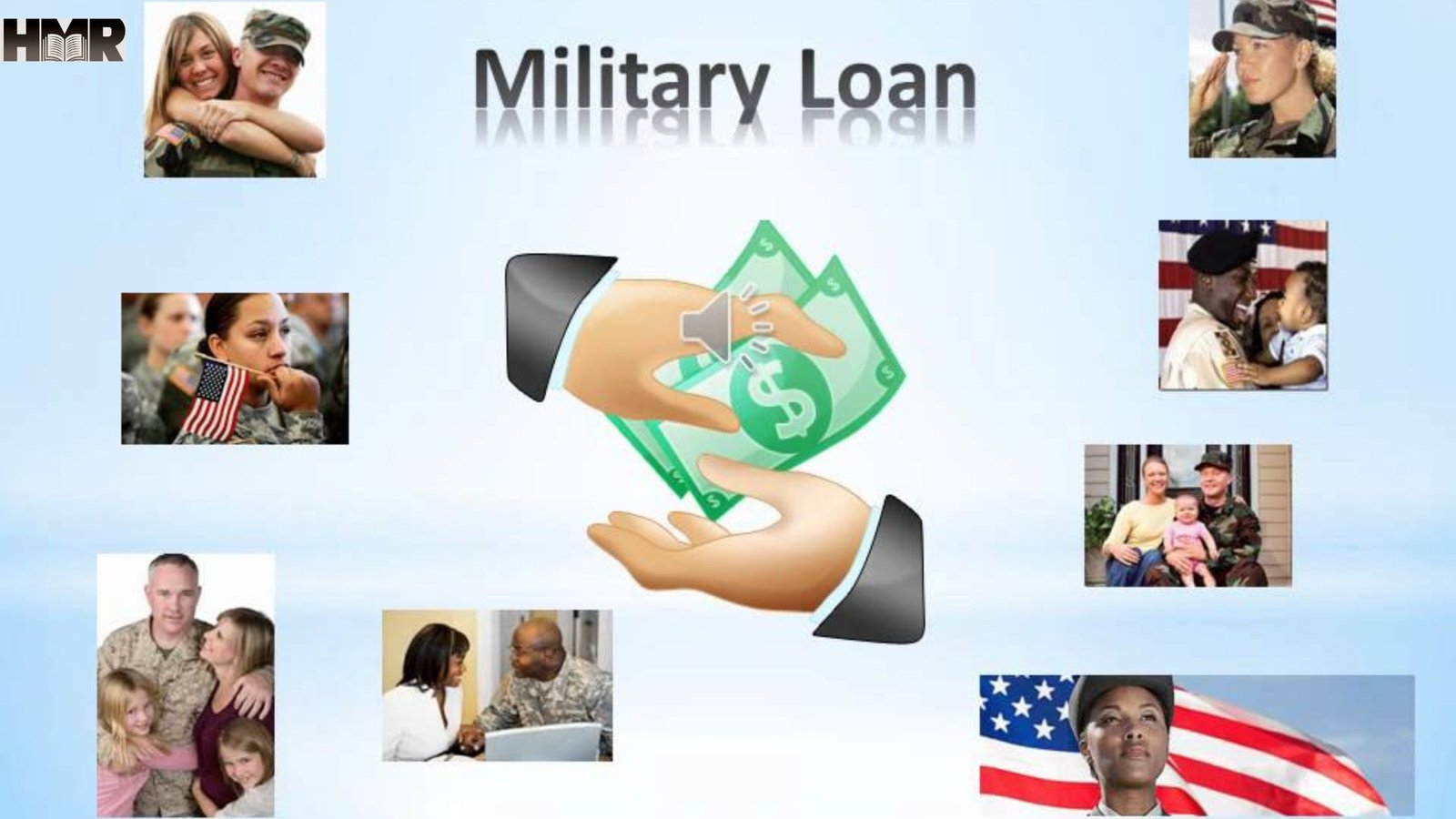
Starting or growing a business is never simple. For veterans and military families, the challenge can feel even heavier. Frequent relocations, deployments, career transitions, and gaps in traditional employment histories all make access to capital harder than it should be. This is exactly where a military business loan becomes not just useful, but essential.
A military business loan is designed to recognize service, sacrifice, and leadership. It offers financing pathways that respect the realities of military life while unlocking opportunity. Whether you are a veteran launching your first startup, an active-duty member planning for post-service entrepreneurship, or a military spouse building a portable business, understanding military business loans can change everything This guide breaks it all down Clearly Honestly Completely.
What Is a Military Business Loan?
A military business loan is a financing option specifically created or adapted for individuals connected to the U.S. military. These loans may be offered through government-backed programs, private lenders, banks, credit unions, or nonprofit organizations. What makes them different is not just who can apply, but how the loans are structured.
Military business loans often come with reduced fees, lower interest rates, more flexible credit requirements, and access to business education or mentoring. Some programs waive SBA guarantee fees entirely for veterans and military spouses. Others offer underwriting flexibility that accounts for deployment history or recent separation from service.
Importantly, there is no single universal military business loan. Instead, it is a category that includes multiple loan types, each suited to different business stages and needs.
Why Military Entrepreneurs Need Specialized Business Loans
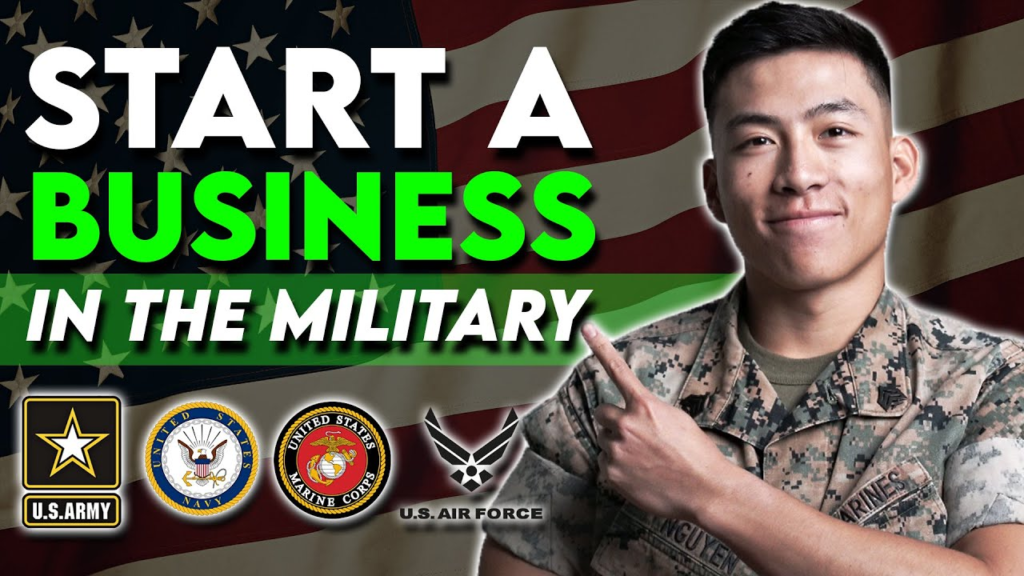
Veterans are natural entrepreneurs. Studies consistently show that veterans are more likely than civilians to start businesses. Military service builds leadership, discipline, risk management skills, and operational thinking. These traits translate directly into entrepreneurship.
Yet despite this advantage, many veterans face barriers to funding. Traditional lenders often struggle to evaluate military resumes. Gaps in civilian employment, recent relocations, or limited business credit history can lead to unnecessary denials.
Military business loans exist to fix this mismatch. They acknowledge that military experience is real experience. They value leadership under pressure. And they aim to convert service into sustainable economic opportunity.
Who Is Eligible for a Military Business Loan?
Eligibility depends on the specific program, but most military business loans are available to:
Veterans who were honorably discharged from the U.S. Armed Forces.
Active-duty service members.
National Guard and Reserve members.
Military spouses.
Surviving spouses of service members.
In most cases, the applicant must own at least 51 percent of the business. Proof of service is usually required, such as a DD-214, military ID, or official documentation from the Department of Defense.
Some programs prioritize disabled veterans or businesses located in underserved communities, while others are open to all military-connected entrepreneurs.
Types of Military Business Loans Explained
SBA Veterans Advantage Loans
The SBA Veterans Advantage Program is one of the most powerful tools available to military entrepreneurs. It is not a separate loan product, but a fee-reduction initiative applied to SBA 7(a) and SBA Express loans.
Under this program, veterans and military spouses may qualify for reduced or eliminated SBA guarantee fees. This can save thousands of dollars upfront and make borrowing more affordable.
SBA Veterans Advantage loans can be used for working capital, equipment, inventory, business acquisition, expansion, or commercial real estate. Loan amounts can range from small sums to several million dollars.
SBA Microloans for Veterans
SBA microloans are designed for startups and early-stage businesses that need smaller amounts of capital. These loans are issued through nonprofit intermediary lenders and typically max out at lower amounts than traditional SBA loans.
What makes microloans especially valuable for veterans is the added support. Many microloan programs include free business training, mentoring, and technical assistance. For first-time entrepreneurs, this guidance can be as important as the funding itself.
Bank and Credit Union Military Business Loans
Many banks and credit unions offer military-friendly business loans. Some institutions, especially credit unions with military roots, provide special underwriting considerations for service members and veterans.
These loans may include term loans, lines of credit, equipment financing, or commercial vehicle loans. While not always branded as military business loans, they often include benefits such as lower interest rates or flexible repayment terms.
Nonprofit Veteran Business Loans
Nonprofit organizations play a critical role in veteran entrepreneurship. Some nonprofits offer low-interest loans, revenue-based financing, or hybrid loan-grant models designed to reduce financial risk.
These programs often focus on long-term sustainability rather than short-term profit. They may work with veterans who have lower credit scores or limited collateral, provided the business idea is sound.
Franchise Financing for Veterans
Franchising is especially popular among veterans. Many franchises offer discounted franchise fees to veterans, and some lenders specialize in franchise loans for military borrowers.
Because franchises come with proven systems, lenders may view them as lower risk. This can improve approval odds and loan terms, especially for first-time business owners.
What Can a Military Business Loan Be Used For?

Military business loans can be used for nearly any legitimate business purpose. Common uses include startup costs, equipment purchases, inventory, working capital, marketing, payroll, and technology upgrades.
Some loans can also be used to purchase or renovate commercial real estate, refinance existing business debt, or acquire an existing business. The flexibility depends on the loan type and lender.
Understanding how you plan to use the funds is critical, as lenders evaluate whether the loan amount aligns with realistic business needs.
Interest Rates, Terms, and Fees
Interest rates on military business loans vary based on the lender, loan type, and borrower credit profile. Government-backed loans generally offer lower rates than conventional business loans.
Repayment terms can range from a few years for working capital loans to decades for real estate financing. Fees may include origination fees, guarantee fees, or closing costs, though many military programs reduce or waive these charges.
Veterans should always compare total loan cost, not just interest rates. A slightly higher rate with lower fees may be more affordable overall.
Credit Requirements and Financial Preparation
While military business loans are more accessible, they still require financial readiness. Most lenders review personal credit scores, business credit (if available), cash flow, and debt-to-income ratios.
For startups, the business plan becomes especially important. Lenders want to see a clear explanation of the business model, target market, revenue projections, and management experience.
Veterans transitioning from active duty should be prepared to explain income changes and how the business will replace or supplement military pay.
How to Apply for a Military Business Loan
The application process begins with preparation. Applicants should gather proof of service, personal and business financial documents, tax returns, and a detailed business plan.
Next, research and compare lenders. Not all lenders are equally experienced with military borrowers. Working with SBA resource partners, veteran business outreach centers, or nonprofit advisors can significantly improve success rates.
Submitting multiple applications at once is usually not recommended, as it can impact credit scores. A targeted approach is more effective.
Common Challenges and How to Avoid Them
One common mistake is borrowing too much too soon. Excessive debt can strain cash flow and increase risk, especially in the early stages of a business.
Another challenge is unrealistic financial projections. Overly optimistic revenue forecasts can undermine lender confidence. Conservative, well-supported projections are more credible.
Some veterans also underestimate the importance of business credit. Building business credit early can improve future financing options.
Military Business Loans vs. Grants
Unlike loans, grants do not need to be repaid. However, military business grants are limited and highly competitive. They often come with strict eligibility requirements and smaller funding amounts.
Loans are more widely available and scalable. Many successful veteran entrepreneurs use loans as their primary funding source while pursuing grants as supplemental capital.
Understanding the difference helps set realistic expectations and funding strategies.
Long-Term Impact of Military Business Loans
Military business loans have an impact far beyond individual businesses. Veteran-owned companies create jobs, strengthen local economies, and contribute to national economic resilience.
Entrepreneurship also supports veteran well-being. Business ownership provides autonomy, purpose, and a sense of mission that many veterans seek after service.
Access to fair, flexible financing plays a critical role in making this transition successful.
The Future of Military Business Lending
As veteran entrepreneurship continues to grow, lenders and policymakers are expanding support. Digital lending platforms, data-driven underwriting, and increased awareness of military talent are improving access to capital.
Future military business loans are likely to be faster, more personalized, and more inclusive. Veterans who understand their options early will be best positioned to succeed.
Final Thoughts
A military business loan is more than a financial product. It is a bridge between service and civilian success. With the right preparation, guidance, and lender, military-connected entrepreneurs can turn ideas into sustainable businesses that create lasting impact.
The opportunity is real. The support is growing. And for veterans ready to lead again, entrepreneurship backed by the right loan can be the next mission.











1 comment