How to Start a Loan Business: A Realistic, Step-by-Step Guide

Starting a loan business sounds simple on the surface. You lend money. You earn interest. End of story. But the reality is deeper, more regulated, and honestly more interesting than most people expect. A loan business sits at the intersection of finance, trust, risk, and law. Get it right, and you build recurring income. Get it wrong, and penalties arrive fast. This guide walks you through how to start a loan business from zero, without fluff, without hype, and without pretending it’s easy.
Understanding What a Loan Business Really Is
A loan business is not just about cash flow. It’s about systems. You provide capital to individuals or businesses under agreed terms, collect repayments with interest, and manage risk over time. That’s the clean definition. In practice, you are also managing compliance, borrower psychology, default risk, collections, and reputation. Some loan businesses focus on personal loans, others on business loans, microloans, equipment financing, payday lending, or peer-to-peer models. Your first job is not lending money. Your first job is choosing which lending model you’re building.
Choosing the Right Loan Business Model
This decision shapes everything. A personal loan business is easier to start but riskier. A business loan company usually requires higher capital but offers stronger margins. Payday and short-term loans move fast, but they are heavily regulated and often criticized. Equipment or invoice financing is quieter, more technical, but surprisingly stable. Many beginners fail because they copy a model without understanding why it works. Choose a loan type that fits your capital size, risk tolerance, and local regulations.
Researching Laws and Regulations Before Anything Else
This is non-negotiable. Loan businesses are regulated in almost every country and state. Licensing, interest rate caps, consumer protection laws, reporting obligations—ignore these and you won’t survive. Some regions require a lending license, others require registration as a financial services provider. You may need approval from a central bank or financial authority. This is not optional paperwork. It defines what you can charge, who you can lend to, and how you collect payments.
Before you spend a single dollar, research:
- Lending license requirements
- Usury laws (interest rate limits)
- Consumer protection rules
- Debt collection laws
- Data privacy and credit reporting obligations
A single legal consultation here can save you years of trouble.
Writing a Strong Loan Business Plan
A loan business without a plan is gambling, not lending. Your business plan should clearly explain who you lend to, how you assess risk, how you earn profit, and how you handle defaults. Investors and regulators both care about this document. Include your loan sizes, interest rates, repayment periods, underwriting criteria, and expected default rates. Be realistic. Overconfidence kills lenders faster than lack of capital.
Securing Capital for Your Loan Business
You cannot lend money you don’t have. Some founders use personal savings. Others raise money from private investors, partners, or institutions. Some start small, reinvesting profits to grow gradually. What matters is transparency. If you’re using investor funds, you must define how returns are generated and how losses are handled. Never mix personal money with business funds. A separate business account is not optional—it’s protection.
Registering Your Loan Business Legally
Once your plan and capital are ready, register your business entity. This could be an LLC, corporation, or partnership depending on your location. Registering correctly protects you from personal liability and helps build credibility with banks and borrowers. You’ll also need a tax ID, business bank account, and sometimes insurance. Yes, it feels slow. But this structure is what allows you to scale safely.
Setting Up Loan Policies and Underwriting Rules
This is where professionals separate themselves from amateurs. You need written rules for who qualifies for a loan. Income verification. Credit checks. Collateral requirements. Debt-to-income ratios. Loan terms. Grace periods. Late fees. Everything. If your decisions change based on emotion, your business will collapse. Systems create consistency. Consistency creates survival.
Choosing Loan Management Software
Manual tracking does not scale. You need software to manage applications, approvals, repayments, interest calculations, and reporting. Good loan management software reduces errors, improves compliance, and makes audits survivable. Some tools are simple. Others are enterprise-level. Choose one that fits your size now but can grow later. Automation is not luxury in lending. It’s defense.
Building a Legal Loan Agreement
Never lend money without a written agreement. Ever. Your loan contract should clearly state repayment terms, interest rate, penalties, default procedures, and dispute resolution. This document is your shield. Work with a lawyer to draft it properly. Templates from the internet are dangerous shortcuts. One missing clause can cost you thousands.
Launching and Marketing Your Loan Business
People won’t magically find you. You need visibility. Depending on your niche, marketing could include local SEO, partnerships with accountants or real estate agents, digital ads, or referral programs. Trust is your currency. Your website, branding, and messaging must look professional. Cheap visuals signal high risk to borrowers and regulators alike.
Managing Risk and Defaults
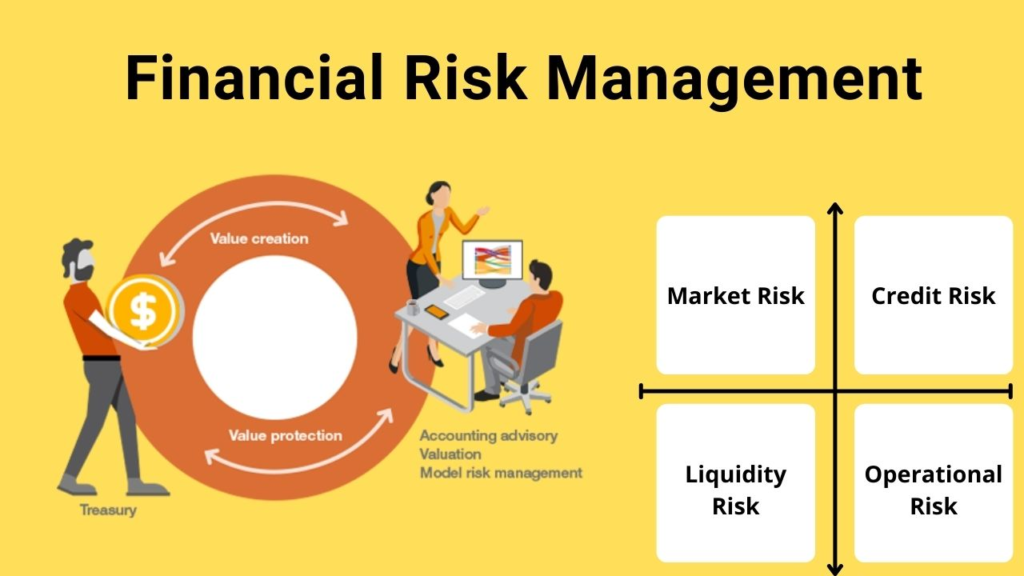
Defaults are not a failure. They are part of lending. What matters is how you manage them. Set aside reserves. Follow legal collection processes. Communicate early with borrowers who miss payments. The goal is recovery, not punishment. A loan business that panics during defaults does not last.
Scaling the Loan Business the Right Way
Growth should be slow and intentional. Increase loan volume only when systems are stable. Monitor default rates closely. One bad expansion phase can erase years of profit. Smart lenders grow boringly. And boring is beautiful in finance.
Common Mistakes New Loan Businesses Make
Many beginners chase high interest rates without understanding risk. Others ignore compliance. Some lend emotionally to friends or family. These mistakes are predictable. And avoidable. Discipline is your competitive advantage.
Is Starting a Loan Business Worth It?
If you want quick money, no. If you want a long-term, system-driven business with predictable income, yes. Lending rewards patience, structure, and discipline. It punishes shortcuts.
Final Thoughts on How to Start a Loan Business
Starting a loan business is not about being rich. It’s about being precise. Laws matter. Systems matter. Documentation matters. If you respect the process, the business can scale quietly and profitably. Ignore it, and the market will teach you lessons the hard way.













1 comment