Handling Divorce with Empathy: Steps to Reduce Conflict

Divorce is always a significant life event for everyone involved. Approaching the process with empathy helps to ease tensions and set the stage for healthier outcomes. Understanding that each person’s experience is unique can reduce unnecessary battles and encourage mutual respect. If you find the situation overwhelming, reaching out to an experienced divorce lawyer in Manchester, NH can help you better understand your options and provide guidance specific to your circumstances.
Focusing on empathy through the divorce process enables couples to communicate more constructively and work towards fair, sustainable solutions. Employing simple strategies, such as active listening and emotional regulation, can help avoid costly and emotionally draining disputes. Empathy is not about agreement but about recognizing another person’s feelings and viewpoints, fostering more respectful resolutions. While it may be challenging, choosing empathy through each stage of separation has the power to benefit you, your spouse, and especially your children for years to come.
Understanding Empathy in Divorce
Empathy means tuning in to the emotional experiences of others. When applied to divorce, empathy helps you recognize your spouse’s emotions and challenges, which plays a crucial role in lowering hostilities. Couples who understand the value of empathy are often more willing to compromise and look for win-win solutions. The American Psychological Association notes that showing empathy can diffuse anger and reduce conflict, making it easier for both parties to transition to the next phase of their lives.
Effective Communication Strategies
One of the most vital ways to foster empathy is to embrace effective communication. Divorce conversations can be emotionally charged, so focusing on clarity and respect is vital. Written communication, such as emails and text messages, helps you present your concerns thoughtfully and maintain a record of conversations. These messages create space for both parties to gather their thoughts rather than react impulsively, thereby decreasing the chance of misunderstandings.
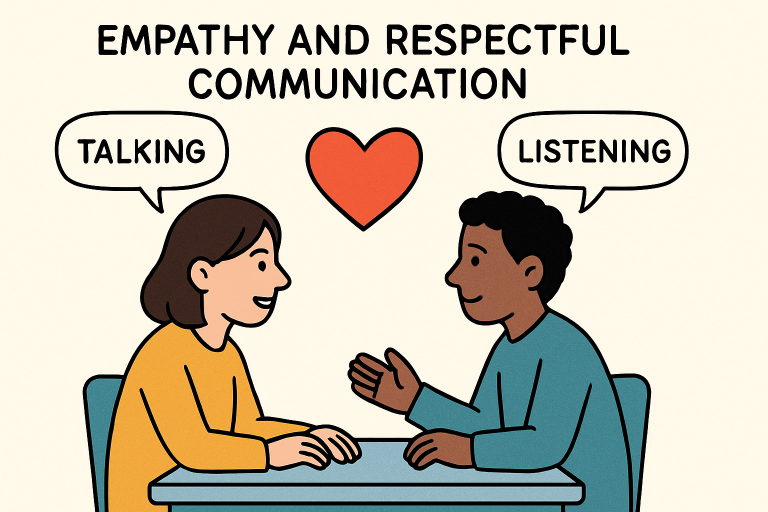
Active listening is another key approach. When you listen carefully, repeat back what you have heard, and ask open-ended questions, the other party feels heard and respected. Simple changes to your conversational habits can have a significant effect on whether your discussions lead toward peaceful solutions or escalate into arguments.
Emotional Regulation Techniques
Divorce triggers complex emotions, but learning to manage them can protect both your well-being and the overall tone of the process. Deep breathing exercises, mindfulness practices, and journaling are helpful tools for calming intense reactions and reflecting on your real priorities. Recognize your emotional triggers and develop personal strategies for disengaging or taking breaks before conflicts get out of hand. Techniques recommended by mental health professionals, including those shared by the Psychology Today Emotional Intelligence resource, support emotional growth and peaceful negotiation.
Seeking Professional Support
Professional support can make a world of difference for couples seeking to reduce the stress and conflict associated with divorce. Mediators specialize in leading constructive discussions aimed at reaching fair agreements in a controlled environment. Divorce therapists can help both partners process their emotions, learn new coping skills, and protect the mental and emotional health of any children involved. These professionals guide couples through legal, financial, and emotional hurdles, making the outcome more manageable for everyone. If you are struggling to find common ground, consider obtaining the assistance of a licensed mediator or therapist in your area.
Prioritizing Children’s Well-being
Children experience significant emotional upheaval during a divorce. Parents who can shield kids from conflicts and provide stability help reduce long-term stress. Consistent routines, open conversations about feelings, and reassuring children that they are loved and supported all contribute to smoother adjustments. Co-parenting with clear communication and a shared commitment to children’s best interests is essential. Child-focused counseling services are available to give extra support to kids as they adapt to changes in family dynamics. The American Academy of Pediatrics provides additional advice for parents striving to protect their children’s well-being during divorce.
Establishing Clear Boundaries
Establishing clear boundaries is a proactive step to prevent disputes from arising. This involves defining acceptable methods and times for communication, determining suitable topics of discussion, and agreeing on shared parenting responsibilities. Boundaries minimize confusion, create room for respectful exchanges, and help both former spouses manage their interactions more comfortably. Consistently reinforcing these boundaries supports an environment that is more peaceful and manageable.
Practicing Self-Care
Amid the emotional exhaustion of divorce, prioritizing self-care is crucial. Regular exercise, good nutrition, and restful sleep are essential foundations for emotional and physical resilience. Allow yourself time for hobbies and relaxation to help restore your energy and perspective. Joining support groups or talking to trusted friends can further aid in processing your feelings and finding encouragement. Taking care of yourself is not selfish; it empowers you to handle stress more effectively and approach the divorce process constructively.
Focusing on the Future
Remaining focused on the future brings hope and direction during emotionally turbulent times. Setting attainable goals for personal and professional growth, making plans for a new living arrangement, or investing in new activities can renew your sense of purpose. Embracing new opportunities and shifting your mindset toward possibilities, rather than regrets, can truly transform the experience of divorce. With empathy, self-awareness, and supportive strategies, this difficult time can become a path to personal renewal and lasting peace for everyone affected.














Post Comment