Does Google Workspace Business Standard Meet CMMC Level 1?
The Cybersecurity Maturity Model Certification (CMMC) has become a critical requirement for organizations in the Defense Industrial Base (DIB) that work with the U.S. Department of Defense (DoD). As contractors prepare for compliance deadlines, a common question arises: Does Google Workspace Business Standard meet CMMC Level 1? This article provides a detailed, up-to-date exploration of this topic, including the requirements of CMMC Level 1, the features of Google Workspace Business Standard, how they align (or don’t), and practical steps for achieving compliance. Whether you’re a small business handling Federal Contract Information (FCI) or evaluating cloud solutions for DoD contracts, understanding these elements is essential in 2026.
CMMC 2.0, finalized and rolling out with phased enforcement starting in late 2025, simplifies previous versions while maintaining strong cybersecurity standards. Level 1 focuses on basic cyber hygiene practices to protect FCI—unclassified information provided by or generated for the government under a contract. Unlike higher levels that involve Controlled Unclassified Information (CUI), Level 1 does not require FedRAMP authorization for cloud service providers (CSPs) handling FCI, making standard commercial tools potentially viable with proper implementation.
Google Workspace Business Standard is a mid-tier plan in Google’s productivity suite, offering Gmail, Drive, Meet, Calendar, Docs, Sheets, Slides, and more, with 2 TB of pooled storage per user, enhanced security features like advanced endpoint management basics, and compliance tools such as data loss prevention (DLP) fundamentals. Priced affordably for growing teams, it appeals to businesses seeking cost-effective collaboration without enterprise-level add-ons. However, its suitability for CMMC Level 1 depends on how organizations configure and supplement it.
Understanding CMMC Level 1 Requirements
CMMC Level 1 consists of 17 basic safeguarding requirements derived from FAR 52.204-21. These practices ensure foundational protection against common cyber threats when handling FCI. Key areas include limiting system access to authorized users, identifying users, processes, and devices accessing systems, verifying identities before granting access, sanitizing media before disposal, protecting information at rest and in transit, updating systems with security patches, conducting security awareness training, and establishing incident response capabilities.
Level 1 assessments are annual self-assessments, with senior leadership attesting to compliance. No third-party certification is required, unlike Level 2 or 3. For cloud environments, contractors must ensure the CSP supports these controls where shared responsibility applies. Since Level 1 involves only FCI (not CUI), there is no mandatory FedRAMP requirement for the CSP. This opens the door for commercial platforms like standard Google Workspace editions, provided the organization implements the remaining controls.
Google officially states that Google Cloud and Workspace support CMMC compliance across levels using FedRAMP High authorized services, but for Level 1, commercial versions suffice because FedRAMP isn’t mandated. Contractors handling only FCI can use Google Workspace Business Standard to process, store, or transmit this information without needing government-specific editions. Industry experts confirm that standard Workspace editions, including Business Standard, can support Level 1 when properly configured, as no FedRAMP barrier exists for FCI-only scenarios.
Google Workspace Business Standard Features Relevant to CMMC Level 1
Google Workspace Business Standard includes several built-in capabilities that map directly to many Level 1 controls. Access control and identification are supported through multi-factor authentication (MFA) enforcement, single sign-on (SSO), and context-aware access policies that help limit and verify access. Encryption is handled automatically, with data encrypted in transit via TLS and at rest by default, addressing core protection requirements for FCI.
Audit logging is available in the admin console, providing visibility into access and changes for monitoring purposes. Basic mobile device management (MDM) allows administrators to wipe or lock devices if compromised, contributing to endpoint protection needs. Google manages platform updates and patching automatically, reducing the burden on users for system maintenance. These inherited controls cover a substantial portion of the 17 practices, allowing contractors to reference Google’s shared responsibility matrices and CMMC implementation guides.
However, Google Workspace Business Standard does not automatically confer full compliance. The organization remains responsible for configuring settings correctly, developing and documenting policies, delivering training to staff, and handling non-cloud controls such as physical security, media sanitization procedures, and personnel screening where applicable. Some contractors may need to add third-party tools for advanced endpoint detection or vulnerability scanning to fully satisfy all requirements.
Does Google Workspace Business Standard Meet CMMC Level 1? A Direct Assessment
Yes, Google Workspace Business Standard can support CMMC Level 1 compliance for organizations handling only FCI, according to multiple expert sources and Google’s own documentation as of 2026. Unlike scenarios involving CUI (which require Level 2 or higher and often FedRAMP Moderate or High), Level 1 has no FedRAMP mandate for CSPs. This makes standard commercial Workspace editions—including Business Standard—viable options.
Industry analyses from compliance consultants and Google’s CMMC resources affirm this position: Defense contractors targeting Level 1 can use Google Workspace to handle FCI without inherent barriers. Google’s FedRAMP High authorization (for in-scope services) actually exceeds what’s necessary for Level 1, providing additional confidence. Tools like Assured Controls Plus are available as add-ons for enhanced U.S.-only data residency if desired, though not required at this level.
Compliance is not automatic or “out of the box.” Organizations must enable MFA universally, configure DLP rules to prevent unauthorized sharing of FCI, maintain asset inventories including Workspace-integrated devices, and document how inherited controls meet each of the 17 practices. Annual self-assessments must be performed and affirmed in the Supplier Performance Risk System (SPRS). Potential gaps, such as advanced endpoint features or comprehensive incident response beyond basic logging, may require supplementation with third-party solutions.
Compared to higher plans like Business Plus or Enterprise, Business Standard offers sufficient foundational features for Level 1 at a lower cost, making it an attractive choice for small-to-medium DIB firms focused solely on FCI.
Comparing Google Workspace Editions for CMMC Level 1
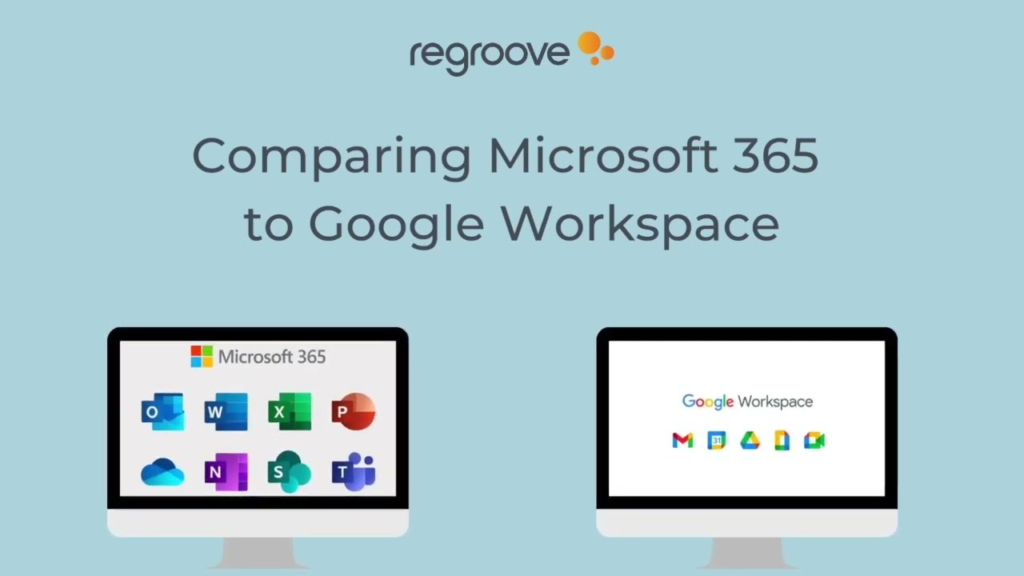
While Business Standard works for Level 1, different editions provide varying levels of robustness. Business Starter offers limited storage and fewer admin controls, making it generally insufficient for compliance efforts Business Standard provides a balanced set of features, including adequate storage, basic DLP, and endpoint management—ideal for pure Level 1 operations.
Business Plus adds advanced vault capabilities and stronger endpoint management offering better scalability if the organization anticipates growth or future CUI handling. Enterprise Plus includes full Assured Controls Plus, client-side encryption, and premium security—overkill for Level 1 but excellent for future-proofing against evolving requirements. For organizations strictly handling FCI and seeking affordability, Business Standard strikes the optimal balance without unnecessary expense.
Steps to Achieve CMMC Level 1 Compliance with Google Workspace Business Standard
Achieving compliance involves a structured approach. First, conduct a thorough gap analysis by mapping your current setup against the 17 practices, using Google’s official CMMC implementation guide as a reference. Next, configure core security basics: enforce MFA across all users, enable 2-step verification, set up context-aware access policies, and activate default encryption settings.
Develop and document comprehensive policies covering access control, incident response, media sanitization, and security awareness training, explicitly referencing Workspace features where controls are inherited. Train all staff using Workspace tools to deliver cybersecurity education and phishing awareness. Maintain detailed documentation, such as a System Security Plan-style record, outlining how each practice is met through Google inheritance or internal measures.
Perform your annual self-assessment, affirm compliance, and submit results to SPRS. Finally, establish ongoing monitoring and review processes to ensure configurations remain effective as Google updates features or as your operations evolve. Consulting a CMMC Registered Practitioner (RP) or qualified consultant is highly recommended for tailored guidance and to avoid common pitfalls.
Advantages of Using Google Workspace Business Standard for CMMC Level 1
Cost-effectiveness is a major benefit—Business Standard is significantly more affordable than government-specific clouds like Microsoft GCC, allowing small contractors to allocate resources elsewhere. The platform’s ease of use, seamless collaboration tools, and automatic security updates reduce administrative overhead and help maintain compliance without constant manual intervention.
Google’s transparency, including detailed CMMC implementation guides and FedRAMP High status, provides clear mapping to controls and builds trust. Many small defense contractors successfully use standard Workspace editions for FCI-handling environments, focusing on core business activities rather than complex migrations or expensive add-ons.
Potential Limitations and When to Consider Alternatives
Limitations primarily stem from the need for diligent configuration—missteps in setup could result in non-compliance during self-assessment. Reliance on proper policy implementation and potential gaps in advanced features mean some organizations supplement with third-party tools. For those expecting to handle CUI in the near future, starting with higher editions or Assured Workloads prevents costly rework.
Google does not recommend commercial versions as the primary path for higher-level compliance, though Level 1 remains supported. If CUI handling emerges, transitioning to enhanced setups or alternatives like Microsoft 365 GCC may become necessary.
Future-Proofing Your Compliance Strategy

As CMMC phases progress toward full rollout by 2028, staying informed is crucial. Google’s continued investments in FedRAMP High, NIST alignments, and updated CMMC resources position Workspace favorably. Monitor DoD announcements, Google’s compliance portal, and industry updates for any shifts in guidance, especially regarding potential changes to Level 1 assessment rigor in late 2026 or beyond.
Frequently Asked Questions (FAQs)
1. Does Google Workspace Business Standard automatically make my organization CMMC Level 1 compliant?
No, using Google Workspace Business Standard alone does not make your organization compliant. It provides strong inherited controls for many of the 17 Level 1 practices (such as encryption, access controls, and logging), but you must configure features correctly, implement policies, train staff, and document everything. Compliance is your responsibility.
2. Is FedRAMP authorization required for Google Workspace at CMMC Level 1?
No, FedRAMP is not required for cloud service providers handling only FCI at Level 1. This is a key difference from Level 2 and higher, where FedRAMP Moderate or High is often necessary for CUI. Standard Google Workspace editions, including Business Standard, are acceptable for FCI.
3. What are the main CMMC Level 1 requirements that Google Workspace Business Standard helps with?
It supports access control (via MFA and SSO), data protection (encryption at rest and in transit), audit logging, basic endpoint management, and automatic patching. These cover a large portion of the 17 FAR 52.204-21-derived practices through Google’s shared responsibility model.
4. Can small businesses use Google Workspace Business Standard for DoD contracts involving FCI?
Yes, many small defense contractors successfully use it for Level 1 compliance. Its affordability, user-friendly interface, and built-in security features make it suitable, provided you perform proper configuration and self-assessment.
5. What if my organization might handle CUI in the future—should I still choose Business Standard?
For pure Level 1 (FCI only), Business Standard is fine and cost-effective. However, if CUI is likely, consider starting with Business Plus or Enterprise editions (or adding Assured Controls) to avoid migration costs later, as higher levels demand more advanced configurations and potentially FedRAMP-aligned setups.
6. How often do I need to assess compliance if using Google Workspace Business Standard for Level 1?
Level 1 requires an annual self-assessment with affirmation by a senior official in the SPRS. Review your configurations and documentation yearly, or sooner if significant changes occur in your environment or Google’s features.
7. Are there any official Google resources for CMMC Level 1 with Workspace?
Yes, Google provides a CMMC implementation guide, shared responsibility matrices, and compliance documentation on their cloud security page. These detail how Workspace features map to controls and help with inheritance documentation.
8. What additional tools might I need beyond Google Workspace Business Standard?
Depending on your setup, you may need third-party solutions for advanced endpoint protection, vulnerability scanning, or full incident response capabilities if Workspace’s basics fall short. Physical security and personnel policies are entirely your responsibility.
9. Is Google Workspace Business Standard better than Microsoft 365 Commercial for Level 1?
Both can work for Level 1 since FedRAMP isn’t required, but Google Workspace often wins on cost, ease of collaboration, and automatic updates. The choice depends on your team’s familiarity and specific workflow needs.
10. Will Level 1 requirements change in 2026 or later?
The core 17 practices remain stable, but DoD has indicated potential shifts toward third-party assessments for Level 1 in late 2026 or 2027. Stay updated via official DoD and Google channels.
Conclusion: A Viable Option for Many Contractors
Does Google Workspace Business Standard meet CMMC Level 1? In short, yes—it can effectively support compliance for FCI-handling contractors with diligent implementation. Its security features align with the 17 basic practices, no FedRAMP is required, and Google’s resources facilitate the process. For small businesses seeking affordability and simplicity, it’s a strong choice in the evolving DIB landscape.
Always verify with current DoD guidance and professional advisors, as compliance is ultimately the organization’s responsibility. By leveraging Google Workspace Business Standard thoughtfully, contractors can protect FCI, win DoD opportunities, and build a secure foundation for growth.











Post Comment