Digital Solutions for NERC CIP Compliance: Enhancing Security and Efficiency
As the utility industry navigates an increasingly complex security landscape, ensuring compliance with the North American Electric Reliability Corporation’s Critical Infrastructure Protection (NERC CIP) standards is more crucial than ever. These standards are designed to safeguard the bulk electric system by requiring utilities to address cybersecurity, physical security, and personnel training. Leveraging digital solutions is rapidly becoming the preferred strategy for organizations seeking to meet these requirements and streamline their compliance efforts. Learn more about the latest advancements and compliance software options by visiting this website.
The proliferation of digital tools is transforming compliance from a reactive, manual process into a proactive, automated lifecycle. As threats and regulations evolve, digital solutions can help utilities maintain robust security postures while minimizing operational disruptions. The right software can track compliance activities, automate documentation, and provide real-time risk insights that are essential in the effort to protect national infrastructure.
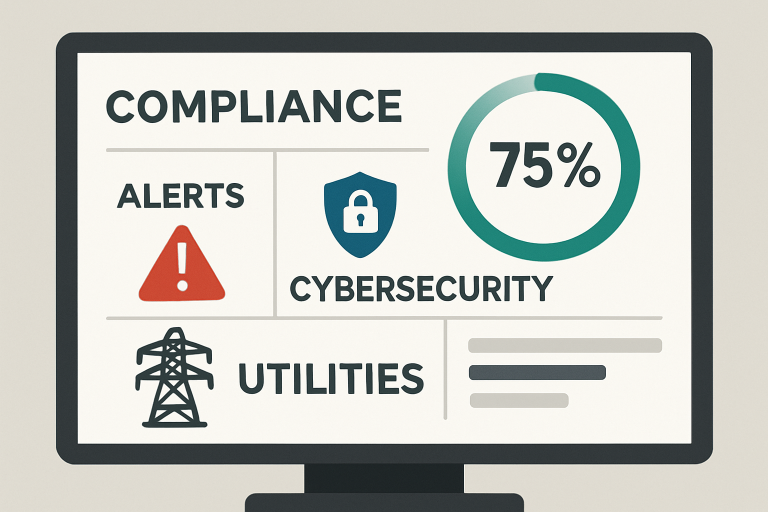
Staying ahead requires utilities not only to react quickly to changes in standards but also to implement systems that provide continuous visibility into compliance status. Operators are increasingly turning to centralized dashboards, automated alerts, and up-to-date audit trails—all delivered through intuitive digital platforms. This marks a significant departure from the traditionally labor-intensive approach to NERC CIP compliance.
The impact of integrating these solutions can be measured in several ways, including improved audit readiness, reduced resource requirements, and greater alignment with evolving regulatory frameworks. Beyond compliance, the adoption of advanced software tools also bolsters operational resilience and fosters a culture of proactive risk management.
Introduction to NERC CIP Standards
NERC CIP standards are a set of requirements designed to secure assets critical to the operation of North America’s bulk electric system. The standards cover a broad array of topics, including the identification of critical assets, electronic security perimeters, physical security, and training requirements. Their intent is to provide a regulatory baseline that protects infrastructure against increasingly sophisticated threats while maintaining reliability for the broader electric grid.
Challenges in NERC CIP Compliance
Despite NERC’s clear guidelines, achieving and maintaining compliance remains a formidable challenge for many utilities. Organizations face hurdles such as:
- The need for constant monitoring, as standards and threats are in continual flux.
- The resource-intensive nature of manual tracking and documentation, which is prone to errors and omissions.
- Lack of cohesive visibility across multiple operational sites makes it difficult to assess the overall compliance status.
- The high cost of preparing for audits, often requiring extensive resources for proof of compliance and corrective action documentation.
Role of Digital Solutions in Compliance
Digital solutions have emerged as an essential strategy for addressing the complexities of NERC CIP compliance. State-of-the-art platforms now automate much of the manual labor associated with compliance, from tracking tasks and collecting audit data to responding to changing regulations. For example, solutions like the Dragos Platform deliver real-time network monitoring that detects threats and highlights areas of non-compliance, specifically tailored for industrial environments. This digital-first approach dramatically reduces the time and resources needed to ensure both security and compliance.
Key Features of Effective Compliance Software
When considering compliance solutions, utilities should prioritize features that address their operational realities and regulatory obligations. Key functionalities to look for include:
- Automated Task Management: Scheduling, tracking, and reminding stakeholders of compliance duties, reducing the likelihood of missed deadlines or responsibilities.
- Real-Time Status Dashboards: Offering continuous visibility into compliance metrics and potential vulnerabilities.
- Comprehensive Audit Support: Easy generation of bespoke audit reports, complete with all necessary supporting documentation.
- Regulatory intelligence tools: Automated tracking of changes in NERC standards, keeping organizations current and audit-ready at all times.
Case Studies of Digital Implementation
Industry case studies provide compelling evidence of how digital transformation is improving both compliance posture and operational performance. One example is the partnership between Network Perception and NAES Corporation, which leveraged network auditing technologies to streamline the identification of security gaps and automate firewall compliance. This approach led to more efficient audits and reduced risk exposure. Meanwhile, Renewance Inc.’s efforts to comply with NERC CIP Low Impact standards set a precedent for how smaller entities can use digital monitoring to enhance the protection of critical assets.
Best Practices for Integrating Digital Tools
- Conduct a thorough compliance assessment: Evaluate current processes to pinpoint inefficiencies and security gaps that digital solutions can address.
- Select solutions that best fit organizational needs: Choose platforms or applications that complement established workflows and prioritize ease of integration.
- Invest in comprehensive training: Ensure personnel understand the capabilities and operations of new digital tools through detailed, ongoing training programs.
- Keep systems updated: Maintain regular updates to compliance software and supporting technologies to keep pace with evolving threats and regulatory changes.
Future Trends in NERC CIP Compliance
NERC CIP compliance is set to evolve alongside technological innovation and the cyber threat landscape. Key trends on the horizon include:
- Increased automation: Greater reliance on intelligent systems that maintain constant compliance vigilance with minimal human intervention.
- The rise of artificial intelligence: AI-driven platforms will optimize risk detection and predict compliance issues before they become critical.
- Enhanced data analytics: Big data tools will provide utilities with actionable insights, offering a deeper understanding of compliance patterns and gaps.
Conclusion
Adapting to the demands of NERC CIP compliance is non-negotiable for any utility seeking to protect its operations and the grid as a whole. Embracing digital solutions enables organizations to not only streamline compliance tasks but also to respond effectively to new security and regulatory challenges. By investing in the right software and adopting a holistic, technology-forward approach, utilities can secure their critical infrastructure, enhance operational efficiency, and contribute to a safer, more reliable electric grid for the future.
VISIT FOR MORE UPDATES : Hivemindreads.com













Post Comment