How Courts Shape the Landscape of Civil Rights Litigation
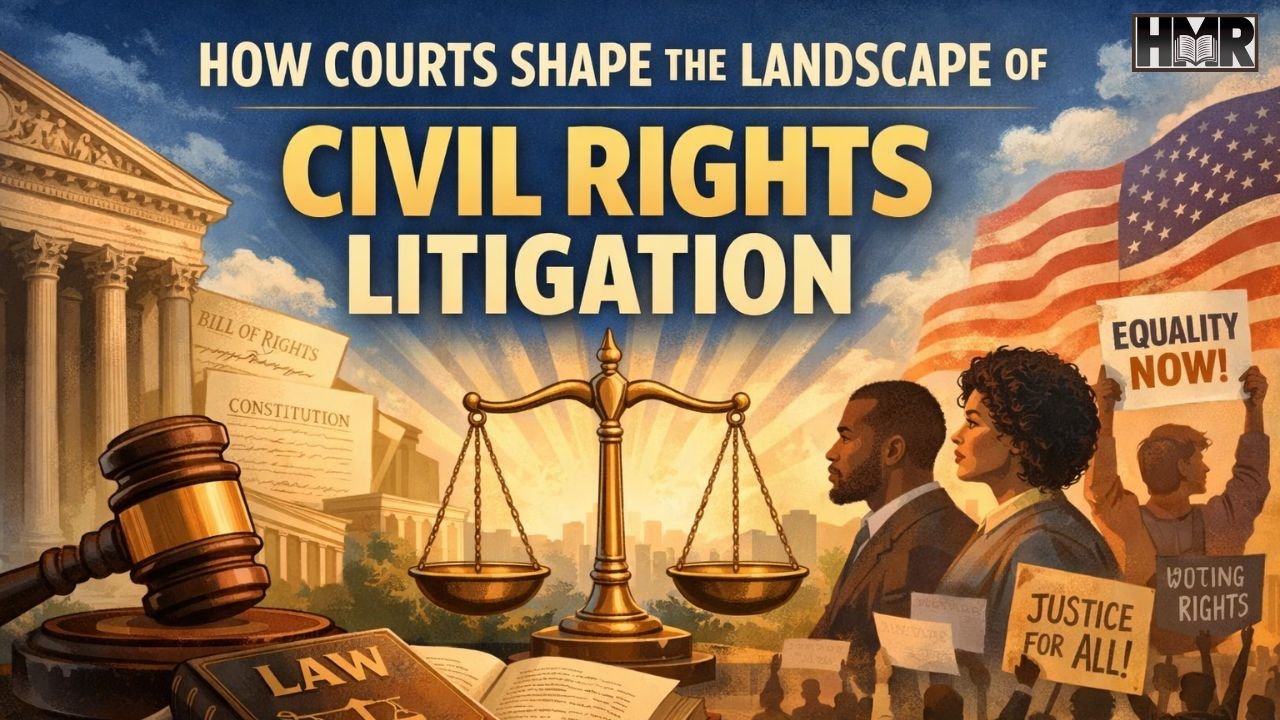
The Judiciary’s Role in Civil Rights
The American court system is a cornerstone of democracy, tasked with upholding the Constitution and protecting civil rights for every individual. Through their responsibility to interpret, apply, and, when necessary, challenge existing laws, courts act as both arbiters and catalysts in defining what civil rights mean in a changing society. This important role is highlighted during periods of social upheaval, when guidelines for justice must be reconsidered or clarified. As new challenges have emerged in recent years, the judiciary’s function has become more visible and crucial than ever.
Recent high-profile lawsuits against Trump Administration actions, for example, have brought public attention to the power courts hold in either defending or limiting individual rights. The courts serve as a final safeguard for those whose freedoms may be at risk due to executive policies, legislative changes, or societal shifts. Their decisions not only settle disputes but also set benchmarks that shape how rights are understood in subsequent generations.
Civil rights litigation is distinct because, rather than focusing solely on individual cases, it often carries broad social and political implications. Courts do not merely resolve private conflicts; they affirm principles that apply throughout society. By defining equality, liberty, and justice under the law, these decisions touch every aspect of daily life.
This makes courts essential actors in the ongoing project of American democracy. Whether the topic is voting access, education, or freedom from discrimination, judicial opinions help mold public expectations and governmental obligations. The interpretations of laws by courts establish precedents that become the framework for future legislative and legal action.
Landmark Cases That Defined Civil Rights
Several Supreme Court decisions have had a profound influence on civil rights in the United States, often signaling significant shifts in governmental policy and societal attitudes.
- Brown v. Board of Education (1954): The Court famously dismantled the doctrine of “separate but equal,” declaring segregated public schools unconstitutional. This monumental decision paved the way for the modern civil rights movement by affirming that state-enforced segregation was inherently unequal and unjust. Its legacy has influenced countless subsequent cases involving racial equality and educational rights.
- Shaw v. Reno (1993): The ruling addressed racial gerrymandering, holding that any redistricting based on race must be scrutinized under the Equal Protection Clause. By requiring strict justification for district lines drawn around racial groups, the decision aimed to secure fair representation for all citizens.
- Allen v. Milligan (2023): In a more recent decision, the Court determined that Alabama’s congressional districts likely violated the Voting Rights Act by diluting the voting power of Black residents. The state was required to create a new district that provided fair representation for minority voters, reflecting the ongoing judicial commitment to upholding voting rights.
Recent Developments in Civil Rights Litigation
The last decade has seen the judiciary once again at the center of key debates over individual liberties and governmental authority. New and emerging issues have expanded the traditional scope of civil rights, underscoring the courts’ need to remain adaptive and responsive.
- Moore v. Harper (2023): This major decision clarified the scope of state legislatures’ authority over elections, affirming the right of state courts to review and rectify congressional district plans. The ruling preserved essential checks and balances within the U.S. electoral system and demonstrated the courts’ ability to restrain state overreach.
- Climate Change Litigation: The increasing number of lawsuits regarding environmental harm and climate justice signals a broadened understanding of civil rights that encompasses protection from environmental hazards. Courts are now being asked to decide whether citizens have a right to a stable climate and healthy environment, expanding the lens of civil rights law.
The Impact of Judicial Decisions on Society
Court decisions do far more than resolve disputes between specific parties. When judges interpret the Constitution or assert how statutes must be applied, they establish rules and definitions that affect millions of people. The principles outlined in cases like Shaw v. Reno and Allen v. Milligan have significantly shaped how voting districts are drawn and how minority representation is ensured. These decisions reverberate far beyond the courtroom, shaping how governments form policies and how the public perceives justice.
This process of judicial interpretation is not static. As new legal questions arise and societal values evolve, courts continually refine their understanding of civil rights. Decisions can expand or contract rights, impact the ability of vulnerable groups to seek remedies, and even prompt legislative bodies to revisit their laws.
Challenges in Civil Rights Litigation
Despite decades of progress, civil rights litigation continues to face persistent and complex challenges. Gerrymandering, for example, is a recurring legal battleground, with courts called on to decide when redistricting undermines fair representation. Voter suppression remains a pressing issue, especially as states pass new laws affecting registration, identification requirements, and mail-in voting. In many cases, courts must decide if these new laws conflict with constitutional protections or established federal statutes.
Another rising challenge is environmental justice. Communities of color and low-income populations are disproportionately affected by pollution and environmental hazards, resulting in more civil rights claims centered around health and safety. As climate change continues to threaten vulnerable groups, the judiciary’s willingness to recognize environmental impacts as civil rights issues could set new legal standards for years to come.
The Future of Civil Rights in the Courts
As the social and political landscape changes, so too must the interpretation and enforcement of civil rights. Questions about data privacy, transgender rights, and protections for immigrants are emerging as focal points for future litigation. The courts will continue to play an essential role in adapting established doctrines to new realities, ensuring that civil rights keep pace with modern challenges.
Ongoing legal advocacy and vigilant oversight will remain vital. Courts are expected to balance the interests of states with the guarantees of individual freedom, providing an independent check on the other branches of government. As communities and advocates bring new cases addressing contemporary forms of inequality or discrimination, judicial decisions will once again shape how American society understands justice and liberty.
Final Thoughts
Civil rights litigation is deeply intertwined with the judiciary’s role as defender and interpreter of fundamental freedoms. Through landmark decisions and a steady stream of new cases, American courts have both mirrored and guided societal change. Recognizing how courts impact civil rights is vital for anyone concerned with the ongoing pursuit of equality, justice, and protection under the law.











Post Comment