How Child Support Influences Children’s Well-being
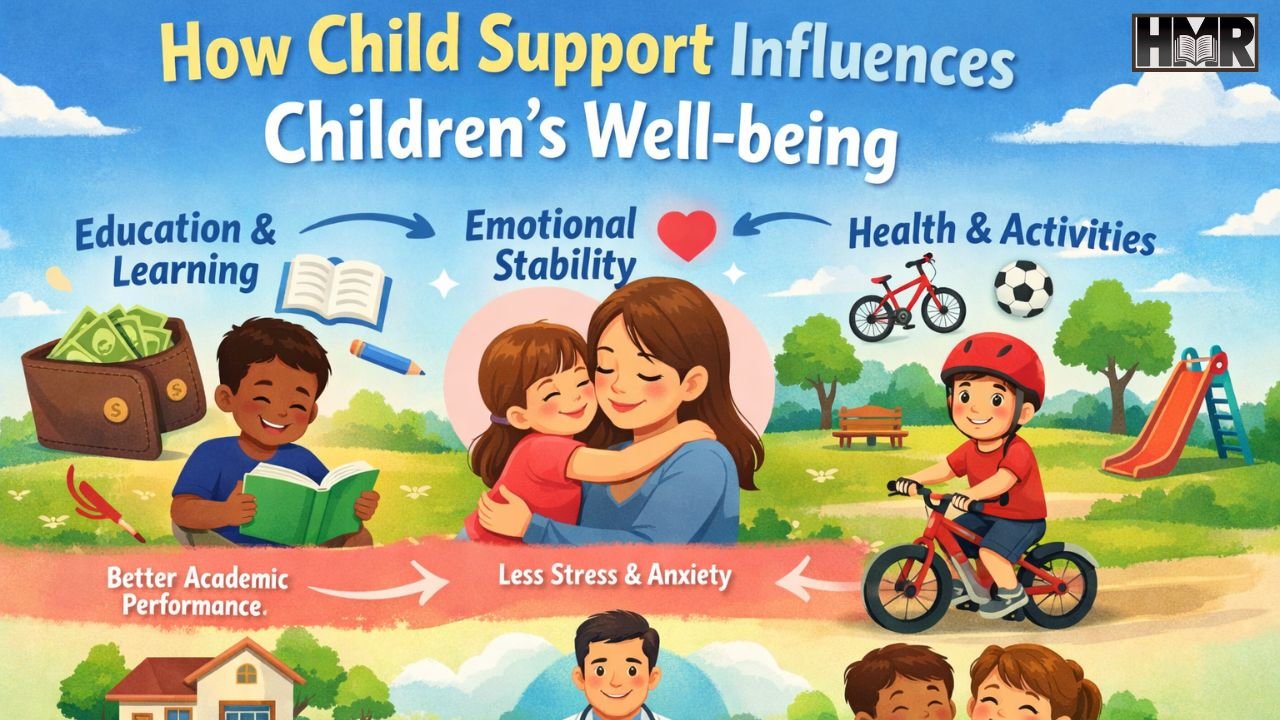
Ensuring children’s well-being after parental separation requires both emotional and financial stability. Financial provisions help create a sense of security that supports healthy growth and development. Child support is essential for safeguarding the resources children need after their parents separate or divorce. Meeting children’s financial requirements ensures they have access to basic needs, but the influence of child support goes much further. Reliable support can shape emotional development, academic performance, and daily quality of life. If you need legal guidance on navigating child support matters, you can find additional resources at https://www.thetxattorneys.com/fort-worth-divorce/child-support.
Ensuring financial responsibility after parental separation helps provide stability and continuity for children, reducing stress and minimizing disruption in daily routines. Reliable child support allows families to maintain consistent living conditions, access healthcare, and participate in educational, recreational, and enrichment activities. Understanding the broader benefits of child support highlights its vital role in promoting emotional, social, and developmental well-being. For parents navigating enforcement or collection challenges, recognizing these advantages underscores the importance of timely payments for children’s overall growth and security.
Economic Stability and Educational Outcomes
The most immediate benefit of child support is economic stability. When non-custodial parents reliably contribute financially, custodial households can better afford food, housing, and health care. This fundamental stability shapes children’s academic trajectories. According to the Urban Institute, children in financially stable homes perform better academically and are more likely to graduate than those in households struggling to meet basic needs. The ability to pay for books, after-school programs, and tutoring means children can thrive in and outside the classroom.
Child support funds may directly support school supplies, internet access for schoolwork, and participation in sports or arts programs. Inconsistent or absent payments, conversely, may lead families to forgo these important educational investments. Academic achievement becomes harder to reach when financial stress undermines access to resources or prompts frequent moves and instability.
Emotional and Psychological Well-being
Children’s emotional and mental well-being is profoundly influenced by the stability and atmosphere at home. Reliable child support payments play a critical role in reducing financial strain on custodial parents, allowing them to focus on nurturing and emotionally supporting their children rather than constantly worrying about bills and basic needs. A household where parents can prioritize their child’s emotional development fosters feelings of security, reduces anxiety, and promotes healthy coping skills.
On the other hand, inconsistent or absent support can heighten tension in the home. Children are highly perceptive and absorb household stress, which can lead to anxiety, depression, and behavioral challenges. Prolonged financial instability may also undermine their sense of safety, self-esteem, and trust in caregivers, underscoring the need for consistent support to foster a healthy, stable, and emotionally resilient family environment.
Parental Relationships and Co-Parenting Dynamics
Reliable child support extends beyond financial stability; it strengthens co-parenting relationships and promotes a healthier family environment. When parents consistently meet their financial obligations, disputes over money are reduced, allowing them to focus on cooperative decision-making and shared responsibilities rather than conflict. Children benefit from this stability, observing their parents communicate respectfully and work together, which fosters a sense of security, belonging, and emotional well-being. Consistent child support also enables parents to coordinate better school activities, medical appointments, extracurricular programs, and other daily needs, ensuring that children’s routines and care are uninterrupted. By promoting transparency, accountability, and collaboration, dependable financial support reinforces trust between parents. It demonstrates to children that both caregivers are equally invested in their upbringing, helping them adapt positively to family changes while nurturing healthy, supportive relationships.
Challenges Faced by Low-Income Families
While the framework of child support exists to protect children’s interests, practical challenges often arise for low-income families. Non-custodial parents with limited income may struggle to meet the required payments, putting them at risk of legal penalties. For custodial parents, delayed or missing payments mean they must make tough choices about which essential needs to meet.
Additionally, certain policies require families receiving public assistance to redirect some or all of their child support to government reimbursement, reducing their actual household benefit. According to the Center on Budget and Policy Priorities, reforming these policies so payments go directly to children could help alleviate persistent poverty in this vulnerable group. Public awareness and policy advocacy can play an important role in driving change that serves children’s best interests.
Policy Considerations and Reforms
Public policy plays a crucial role in ensuring child support consistently meets its intended goals. Potential reforms include prioritizing direct payments to families over government reimbursements and designing flexible payment arrangements for non-custodial parents facing hardships. Providing access to job training and employment resources helps struggling parents fulfill their obligations, which in turn benefits children through more reliable support and reduced family conflict.
Policymakers and advocates alike are increasingly pursuing approaches that encourage co-parenting, remove barriers to payment, and address enforcement in ways that don’t inadvertently create additional hardship for the children involved. Balancing the needs of both parents and placing the child’s well-being at the center of the discussion can lead to more effective and compassionate systems. To learn more about broader social impacts, the Urban Institute report provides in-depth research.
Conclusion
Child support plays a foundational role in a child’s well-being after parental separation, influencing not only basic material needs such as food, clothing, and shelter but also broader aspects of their development. Consistent and fair support helps create stable home environments, which are critical for emotional security and a sense of routine. This stability allows children to focus on school, extracurricular activities, and personal growth, increasing the likelihood of positive educational outcomes. Additionally, child support can foster healthy parent-child relationships by reducing financial tension and encouraging cooperative co-parenting. Policies and reforms that prioritize the best interests of the child, while considering the challenges faced by low-income families, enhance these benefits. Effective child support systems ultimately invest in children’s emotional, cognitive, and social development, laying the foundation for a thriving next generation.













Post Comment