Can a Small Business Really Make It in Today’s World?
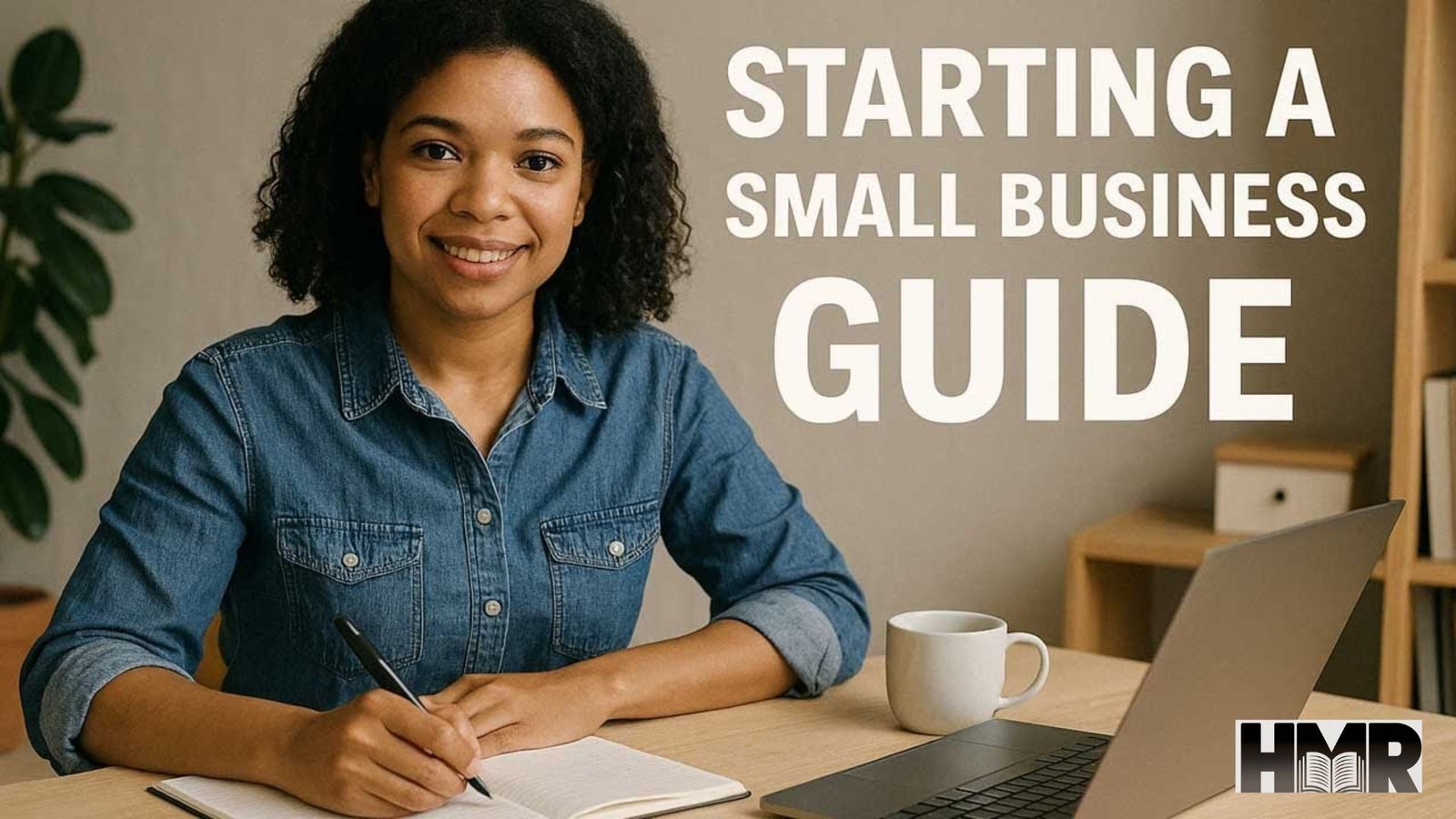
Can a small business still succeed in a world dominated by massive corporations, aggressive digital advertising, rising costs, and rapidly changing customer expectations? This question may look unfinished, but it reflects a very real mindset. People type it because they are unsure. They hesitate. They wonder whether starting small is still worth the risk. The doubt is quiet but persistent. And the truth is, being small today is not a disadvantage by default. It is a condition. What matters is how that condition is used.
Small businesses no longer exist on the sidelines of the economy. They are the economy. They create jobs, drive innovation, and adapt faster than anyone else. But survival is not automatic. A small business must be intentional, informed, and willing to evolve. The rules are different now. Smaller does not mean weaker. In many cases, it means sharper.
Can a Small Business Survive in a Market Controlled by Giants?
Can a small business survive when large companies dominate pricing, advertising, and distribution? At first glance, it feels unfair. Corporations have budgets that seem endless They buy attention. They buy visibility. They buy time. A small business cannot compete on volume or scale, and trying to do so is usually a mistake.
Survival happens in the gaps. Large companies are slow. They are structured. They are careful. A small business can move quickly, experiment, adjust, and respond in real time. When customers complain, a small business hears it immediately. When demand shifts, a small business can pivot without months of internal debate.
Many small businesses survive not because they are cheaper, but because they are better at listening. They serve narrower audiences with greater care. They specialize instead of generalize. That focus creates loyalty, and loyalty creates stability.
Can a Small Team Actually Compete?
Can a small team compete against departments, managers, and layers of staff? The assumption that more people means better results is outdated. Today, efficiency beats size. A focused team of three skilled individuals can outperform a bloated team of thirty if decision-making is clear and tools are used properly.
Technology plays a massive role here. Automation handles repetitive work. Cloud platforms eliminate infrastructure barriers. AI tools reduce research, editing, design, and analysis time dramatically. What once required full departments can now be done by one person in an afternoon.
Small teams win when roles are clear and egos are low. When every person understands their impact, accountability becomes natural. There is no hiding in a small team. That pressure can feel uncomfortable, but it produces excellence when handled correctly.
Can a Small Business Get Customers Without Big Marketing Budgets?
Can a small business attract customers without spending thousands on ads? Yes, but it requires patience and strategy instead of shortcuts. Big companies buy attention. Small businesses earn it. Content, community engagement, referrals, and local presence matter more than ever.
Search engines reward relevance. Social platforms reward authenticity. Customers trust people more than brands. A small business that consistently shows up, educates, and engages builds authority over time. It is slower than paid ads, but far more durable.
The mistake many small businesses make is chasing visibility without clarity. Not every platform matters. Not every trend is necessary. Focus beats noise. When a small business clearly communicates who it serves and why it exists, customers find it.
Can a Small Business Build Trust Faster?
Can a small business earn trust more easily than a large one? In many cases, yes. Trust is built through proximity and honesty. Small businesses are closer to their customers. Founders answer emails. Owners respond to messages. Mistakes are acknowledged openly Large corporations often hide behind policies and scripted responses. Small businesses can speak plainly. This human connection is powerful. Customers remember how they were treated, not just what they bought Online reviews amplify this effect. A few genuine testimonials can outperform polished brand campaigns. Trust compounds when people feel seen and valued. That is something size cannot manufacture.
Can a Small Business Access Funding?
Can a small business get funding without deep pockets or elite connections? Funding has changed. While traditional banks remain conservative, alternative options have expanded rapidly. Microloans, angel investors, crowdfunding, grants, and revenue-based financing have opened doors that did not exist before.
Funding is not about size. It is about clarity. Lenders and investors want to see understanding. They want realistic numbers, not inflated dreams. A small business that knows its margins, customers, and growth plan often appears safer than a larger company drowning in complexity.
Preparation matters more than persuasion. When a business understands its own financial story, funding conversations become easier.
Can a Small Business Scale Without Breaking?

Can a small business grow without losing control, culture, or sanity? Growth is often romanticized, but unmanaged growth destroys more businesses than stagnation ever did. Scaling is not just selling more. It is building systems that support selling more.
Processes must come before expansion. Documentation before delegation. Automation before hiring. A small business that grows too fast without structure becomes chaotic. One that grows slowly with intention becomes resilient.
Not every business needs to scale aggressively. Sometimes staying small and profitable is the smarter choice. Freedom, stability, and sustainability are valid definitions of success. Growth should serve the owner’s goals, not replace them.
Can a Small Business Survive Economic Uncertainty?
Can a small business survive inflation, recessions, and unpredictable markets? History shows that many do, precisely because they are small. Smaller businesses feel pressure sooner, but they also react sooner They adjust pricing faster. They cut unnecessary costs quicker. They pivot offerings without bureaucracy.
Resilience comes from awareness. Businesses that track cash flow, understand expenses, and maintain flexibility survive storms better than those operating blindly. A small business that stays financially literate is less exposed to shocks.
Uncertainty is not a death sentence. It is a filter. Businesses that adapt remain. Those that ignore reality disappear.
Can a Small Business Compete Digitally?
Can a small business succeed online against global brands? Digital space is surprisingly neutral. Search engines rank relevance, not size. Social platforms reward engagement, not budgets alone. A small business with clear messaging and consistent effort can outperform larger competitors who rely on automation and generic content.
Niche focus is critical. A small business does not need everyone. It needs the right people. Serving a narrow audience deeply creates authority. Authority creates demand. Demand creates growth.
Digital success is not about doing everything. It is about doing the right things consistently.
Can a Small Business Retain Talent?
Can a small business attract and keep good people? While large companies offer stability and benefits, small businesses offer meaning, visibility, and growth. Many professionals prefer environments where their work matters and their voice is heard.
Flexibility is a strength. Remote work, flexible hours, and skill-based growth attract talent who value autonomy. A small business that treats people well often retains them longer than companies that rely on prestige alone Culture is easier to build when teams are small. Values are lived, not written on walls.
Can a Small Idea Become Big?
Can a small idea grow into something meaningful? Almost every successful business began as an uncertain experiment. What separates ideas that grow from those that fade is execution. Consistency. Willingness to learn.
Small ideas succeed when founders commit to improvement over perfection. When feedback is welcomed. When progress is tracked. Growth compounds slowly at first, then accelerates quietly Big outcomes rarely come from big beginnings. They come from sustained effort applied intelligently.
Can a Small Business Owner Avoid Burnout?
Can a small business owner build something without burning out? Burnout is not caused by work alone. It is caused by lack of control, unclear priorities, and constant reaction. Systems reduce stress. Boundaries preserve energy.
Owners who try to do everything indefinitely fail faster. Delegation is not weakness. It is maturity. A business should support life, not consume it entirely Sustainable businesses are built by people who understand pacing, not just ambition.
Final Perspective: Can a Small Business Win?
So, can a small business truly succeed today? Yes. Can a small team compete? Yes. Can a small idea survive pressure, adapt, and grow? Absolutely Being small is not the obstacle. Staying unprepared is Small businesses win by being focused, human, adaptable, and informed. They win by understanding customers better than anyone else. They win by using modern tools wisely and building trust daily. The question is no longer whether a small business can succeed. The question is whether it is willing to operate intentionally in a world that rewards clarity over size.











2 comments